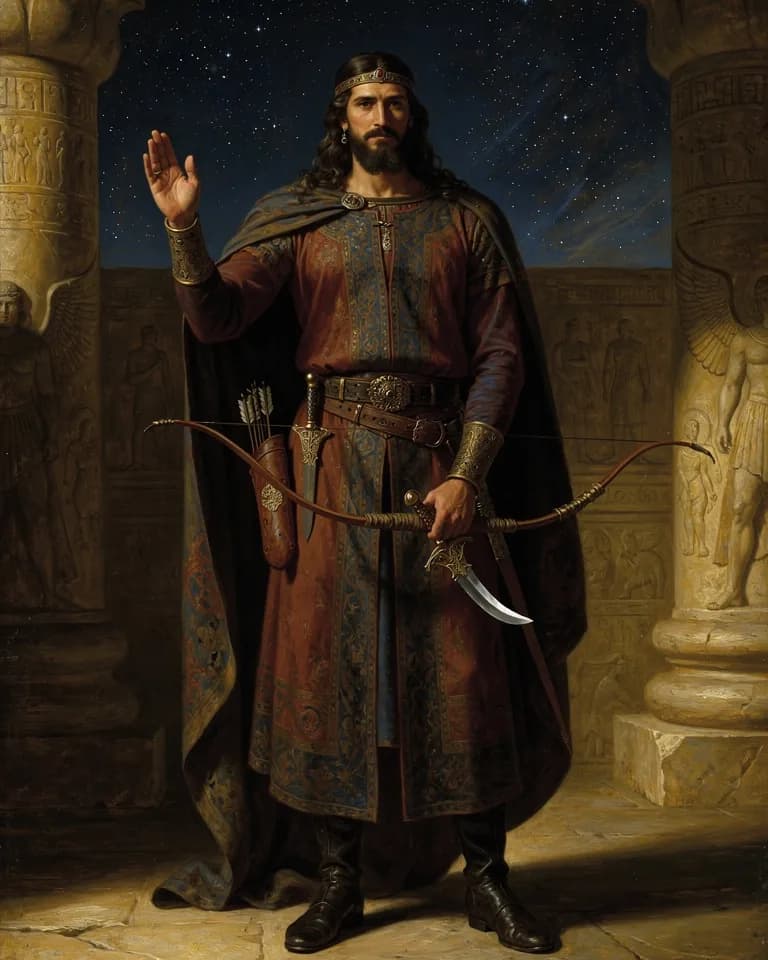
Mithra
The yazata of the covenant, 'lord of wide pastures', who watches with a thousand ears and ten thousand eyes over everyone who keeps or breaks their word, and whom Ahura Mazda created 'as worthy of sacrifice as myself'.
Divine domains
5 deities from 4 traditions whose entries in this atlas list truth among their domains, grouped by tradition.
The yazata of the covenant, 'lord of wide pastures', who watches with a thousand ears and ten thousand eyes over everyone who keeps or breaks their word, and whom Ahura Mazda created 'as worthy of sacrifice as myself'.
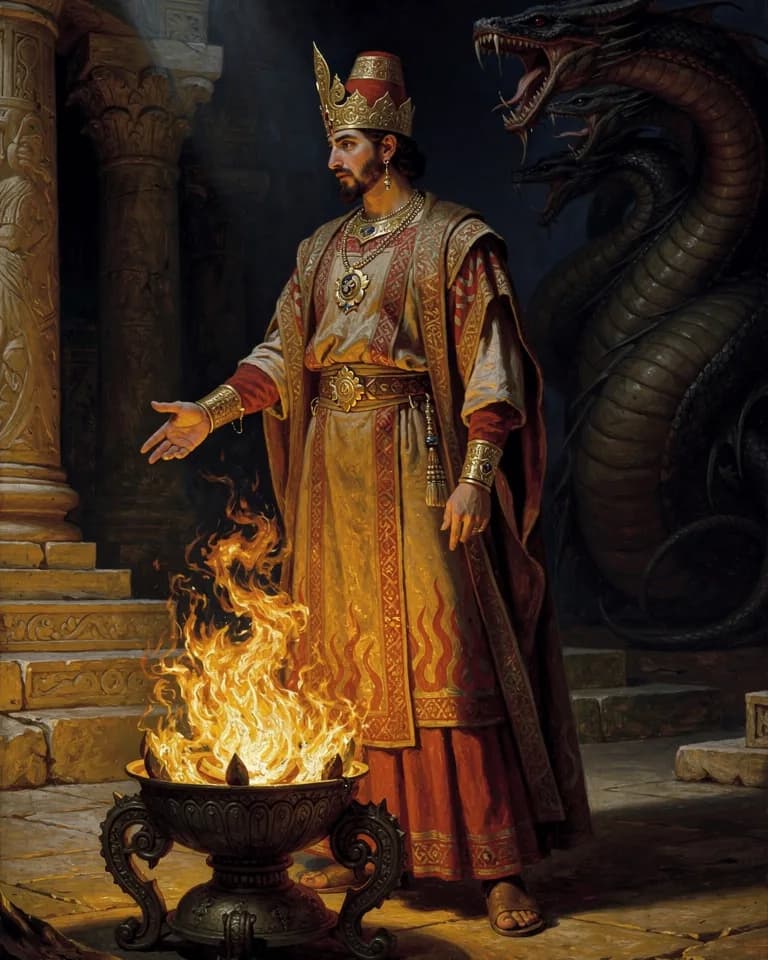
Fire as a divine being, 'son of Ahura Mazda', the visible focus of Zoroastrian worship, who in the Zamyad Yasht faces down the three-mouthed dragon Azhi Dahaka in the struggle for the royal Glory.

A powerful warrior god with a truth-seeing third eye, nephew of the Jade Emperor. He is famed for defeating Sun Wukong in combat and for controlling floods.
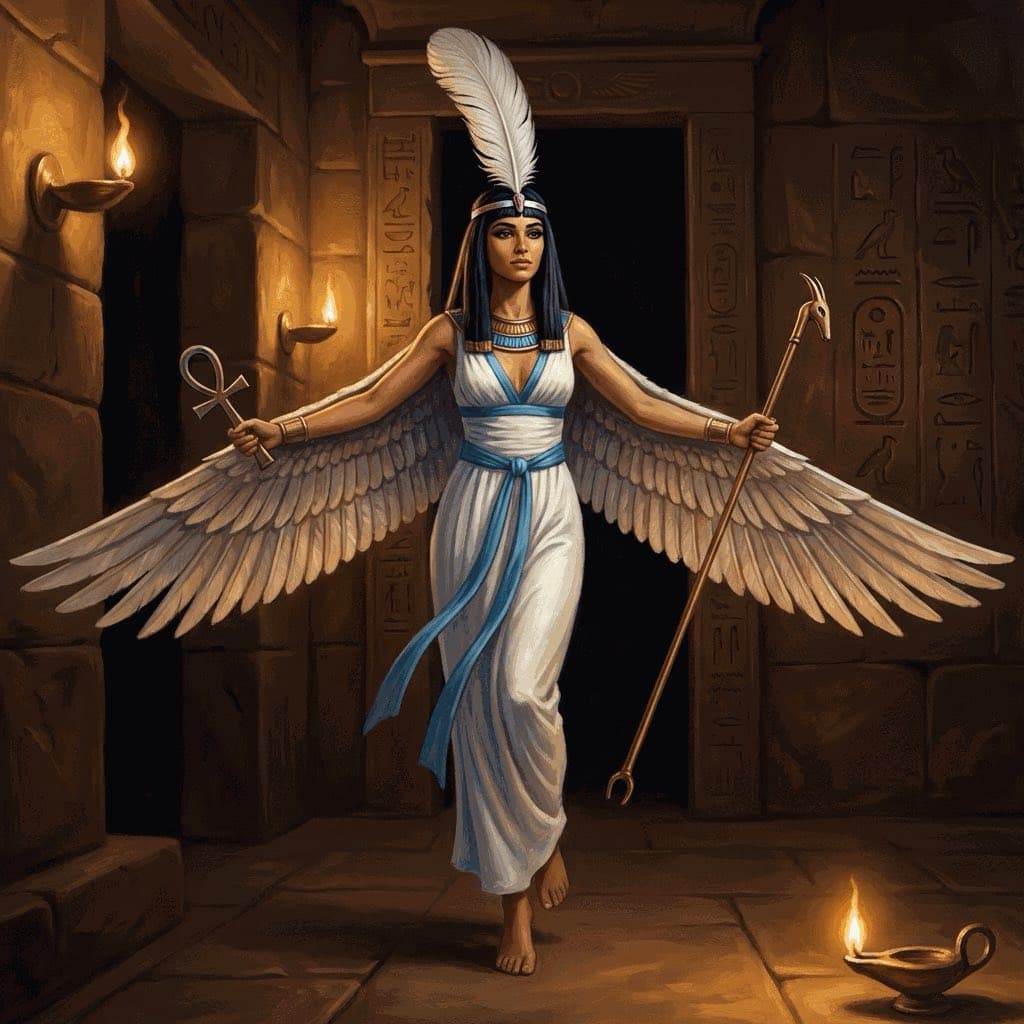
Goddess embodying truth, justice, and cosmic order. Her feather is weighed against the hearts of the dead in judgment.
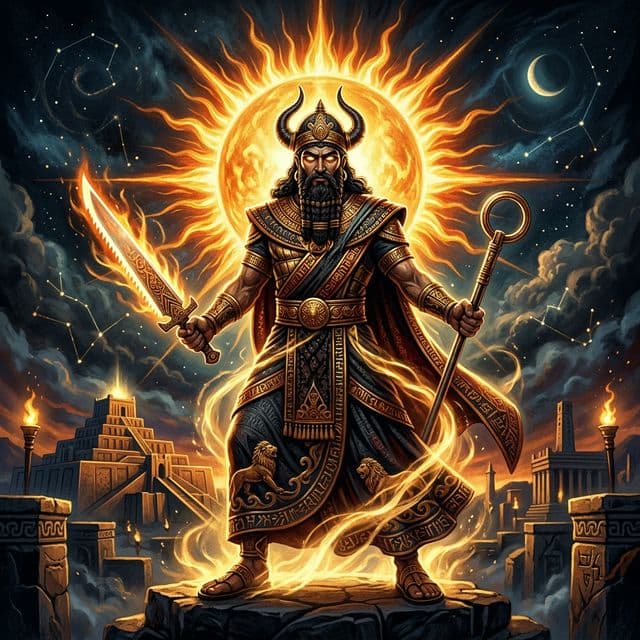
The sun god and divine judge. Shamash sees all that occurs under the sun and is the god of justice, truth, and moral order.
Editorial comparisons recorded on these entries; a shared role does not establish a shared origin.
Ma'at (Egyptian) and Shamash (Mesopotamian)
Both personify truth, justice, and the correct cosmic/social order that must be maintained
Compare Ma'at and ShamashMithra (Persian) and Shamash (Mesopotamian)
Both are all-seeing gods of the sun's light who guard oaths and justice, though Mithra's primary sense is the covenant itself rather than the solar disk.
Compare Mithra and ShamashBuilt from each deity's catalog entry. See every domain side by side on Divine Domains, or browse every cross-pantheon parallel.