Source recordAncient text
Kalevala
Elias Lönnrot (compiler), from Finnish and Karelian oral poetry · 1835 (Old Kalevala); 1849 (New Kalevala, 50 runes) · Finnish
Ancient text
Kalevala
Elias Lönnrot (compiler), from Finnish and Karelian oral poetry
The Finnish national epic, compiled by the physician and folklorist Elias Lönnrot from runo-songs he and others collected, chiefly in Viena (White Sea) Karelia and Finnish Karelia. Lönnrot selected, joined, and sometimes rewrote the songs into a continuous story, so the Kalevala is a nineteenth-century literary work built from genuine folk poetry rather than a single ancient text.
About this work
The Finnish national epic, compiled by the physician and folklorist Elias Lönnrot from runo-songs he and others collected, chiefly in Viena (White Sea) Karelia and Finnish Karelia. Lönnrot selected, joined, and sometimes rewrote the songs into a continuous story, so the Kalevala is a nineteenth-century literary work built from genuine folk poetry rather than a single ancient text.
Where to start
Keith Bosley's 1989 verse translation or Eino Friberg's 1988 version are the most readable modern renderings; Crawford (1888) and Kirby (1907) are public domain and freely available but in a Longfellow-like trochaic meter. Read Runes 1-10 first for the creation and the Sampo, then 31-36 (Kullervo) and 39-43 (the theft of the Sampo).
Figures in the text
Heroes and divinities who feature prominently, with where they appear.
Deities and immortals
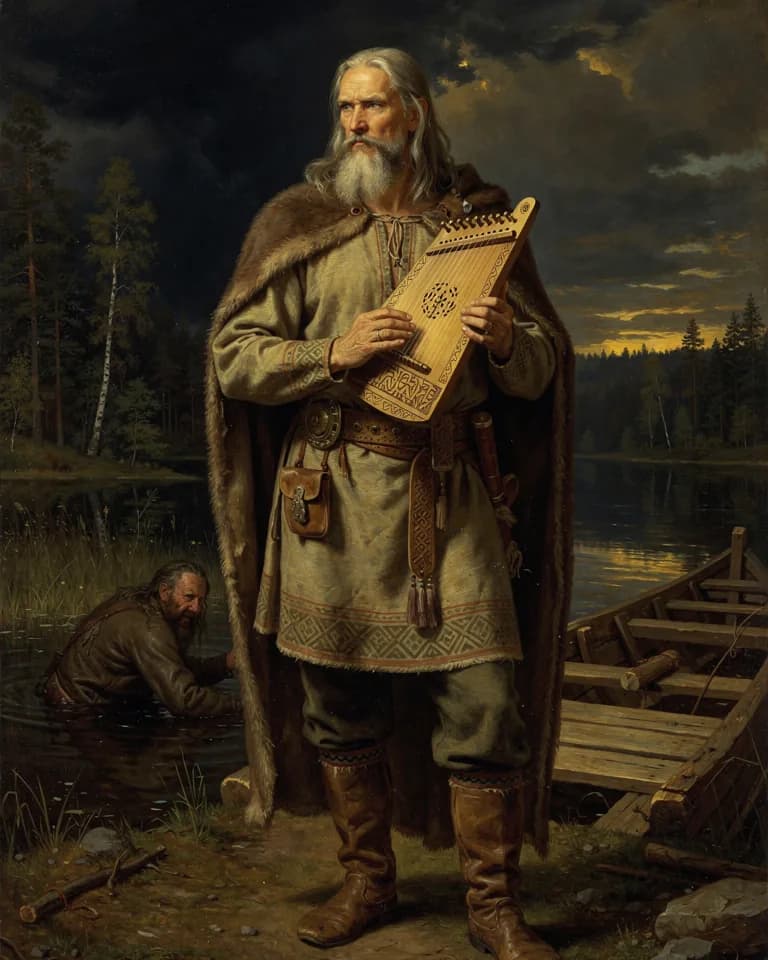 VäinämöinenRunes 1-50the eternal singer and sage, central hero of the epic
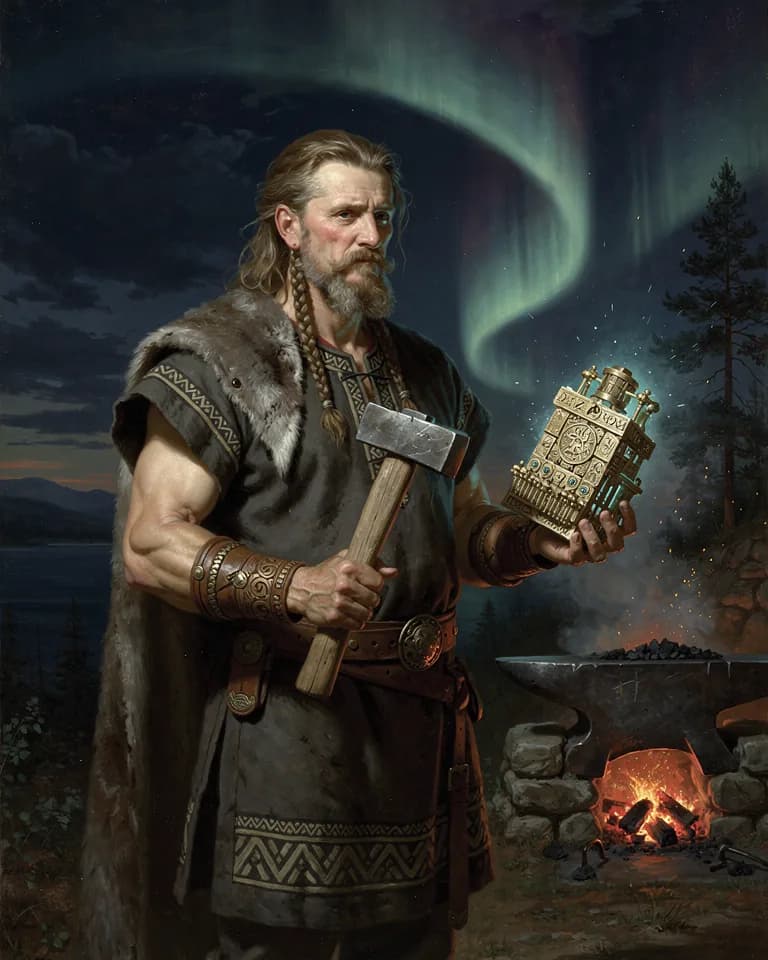 IlmarinenRunes 7-10, 18-25, 37-49the smith who forges the Sampo
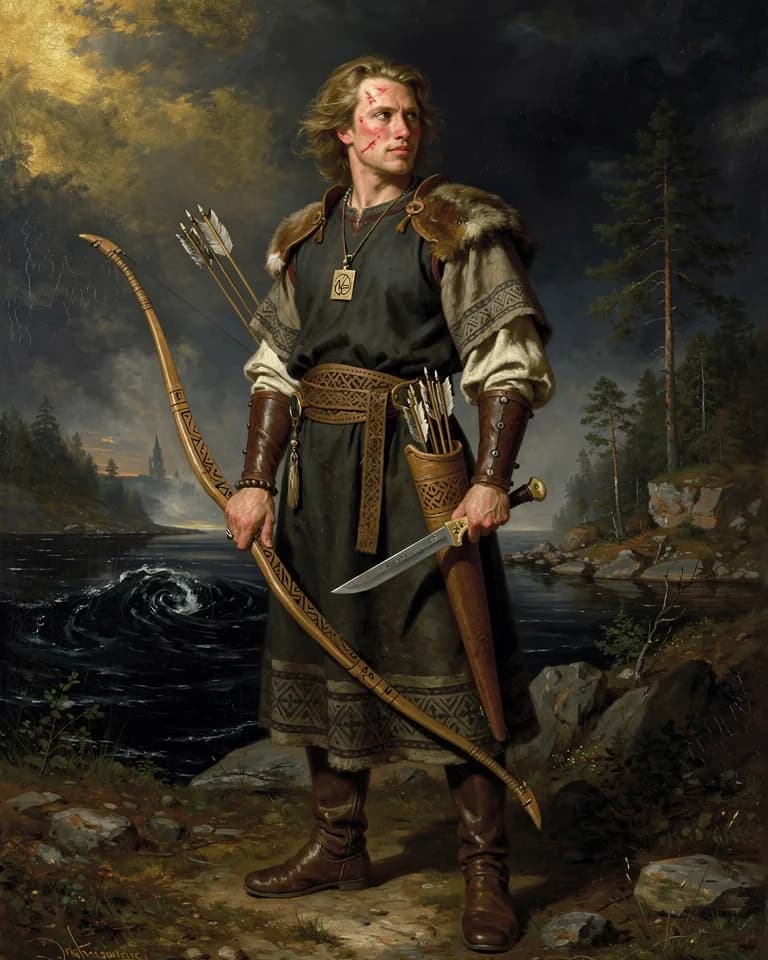 LemminkäinenRunes 11-15, 26-30the reckless adventurer killed at the river of Tuonela and restored by his mother
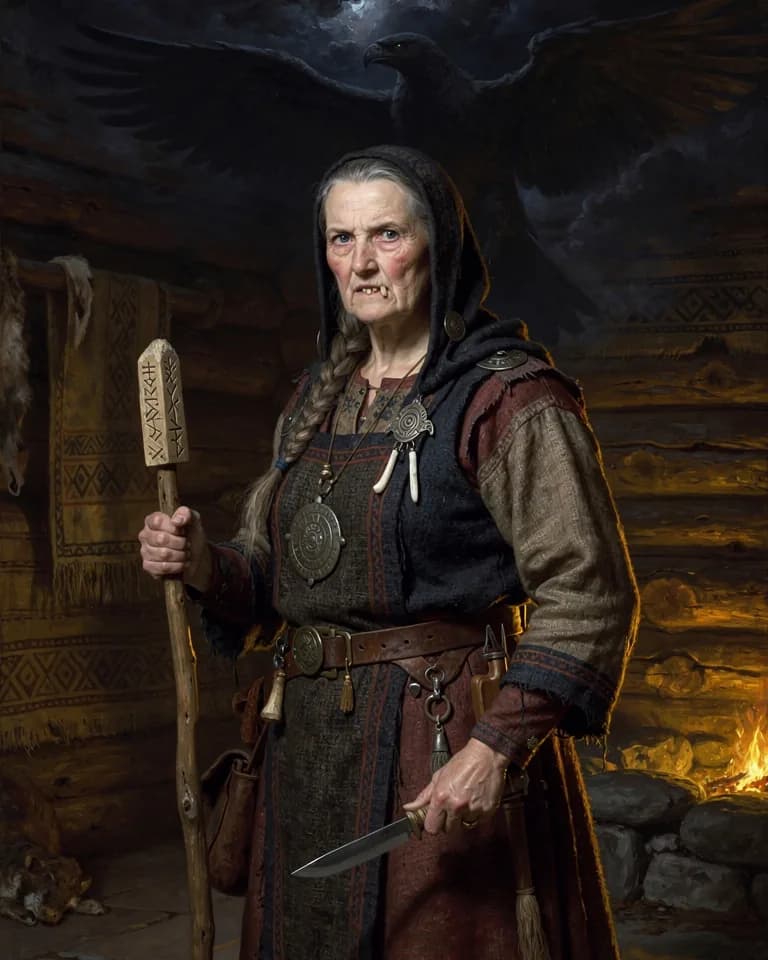 LouhiRunes 7-10, 42-49the mistress of Pohjola, keeper of the Sampo
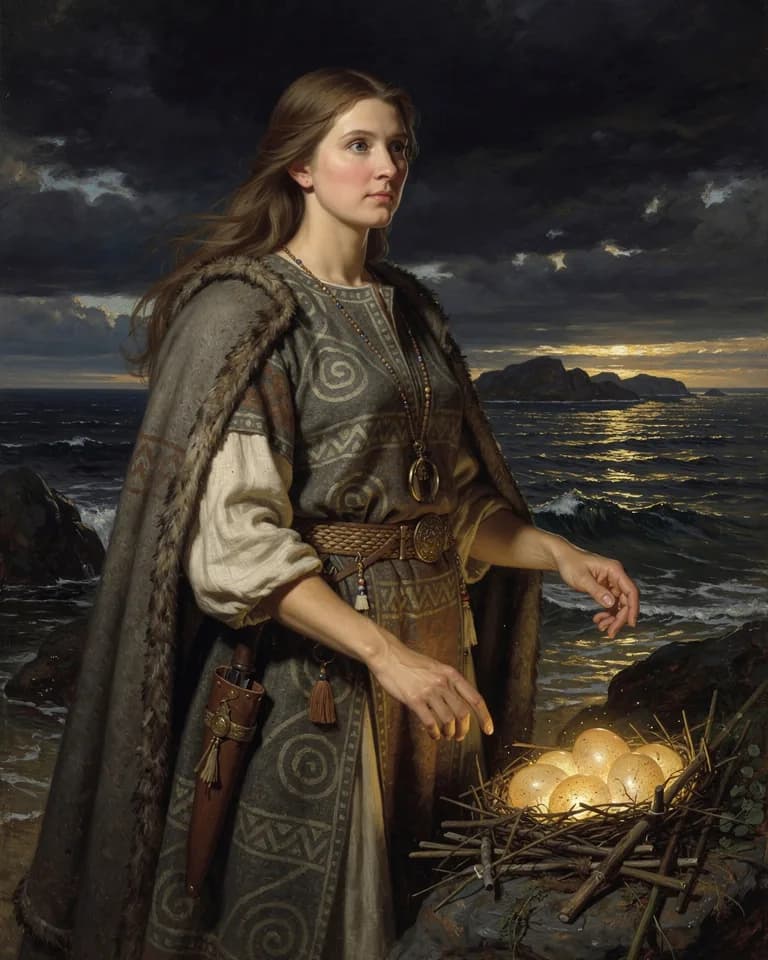 IlmatarRune 1the air-maiden, mother of Väinämöinen
Key scenes
Turning points of the work, in reading order.
The Creation
A duck lays eggs on Ilmatar's knee in the primeval sea; the broken eggs become earth, sky, sun, moon, stars, and clouds.
The Forging of the Sampo
Ilmarinen forges the wonder-mill that grinds grain, salt, and money for Louhi of Pohjola.
Lemminkäinen's Mother
Lemminkäinen's mother rakes the pieces of her son from the river of Tuonela and restores him to life.
Kullervo
The wronged, doomed Kullervo takes revenge on his enemies and, after unknowingly seducing his sister, dies on his own sword.
The Theft of the Sampo
The heroes steal the Sampo; Louhi pursues them as a giant eagle, and the Sampo shatters in the sea.
Stories drawn from it
Retellings in the atlas that quote or cite this work.
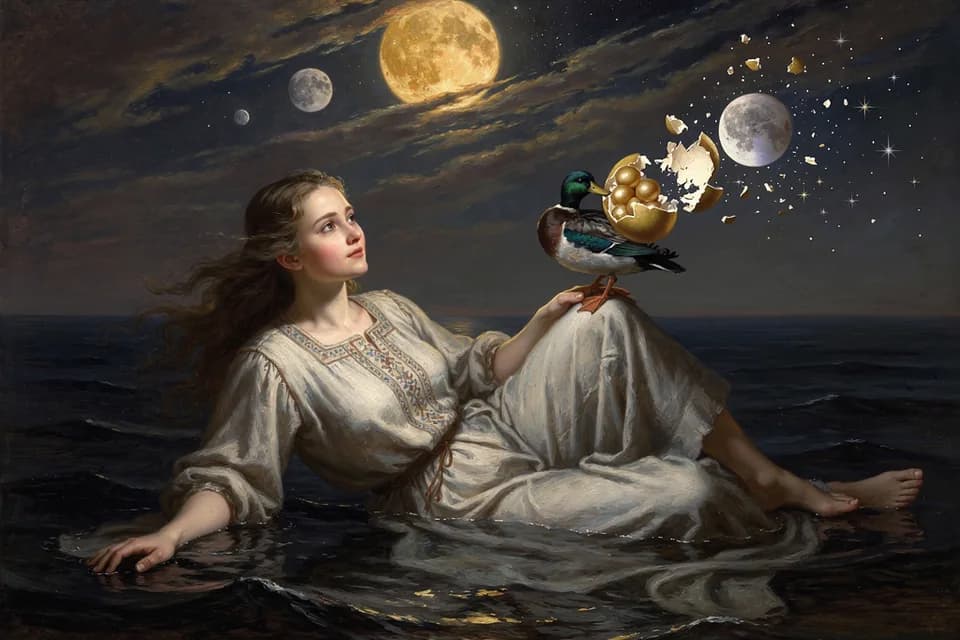 Ilmatar and the World EggcreationThe air-maiden drifts for centuries on the primeval sea until a duck nests on her knee; when the eggs break, their pieces become earth, sky, sun, moon, stars, and clouds, and at last the aged singer Väinämöinen is born.
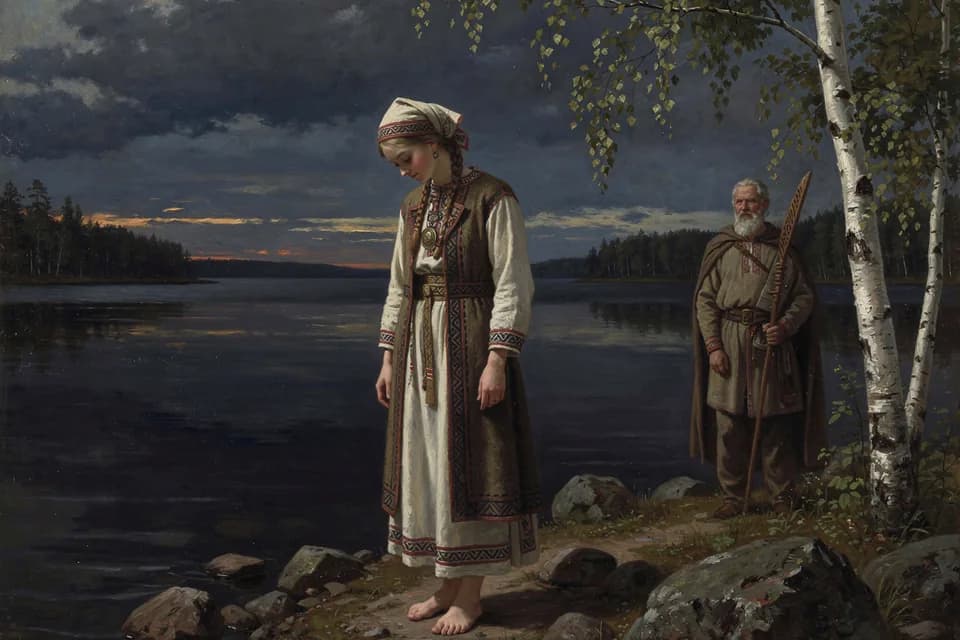 AinotragedyDefeated in a singing duel, young Joukahainen pledges his sister Aino to old Väinämöinen; unwilling to marry him, she drowns herself in the sea, and when Väinämöinen later hooks a strange fish, it is Aino, who mocks him and slips away forever.
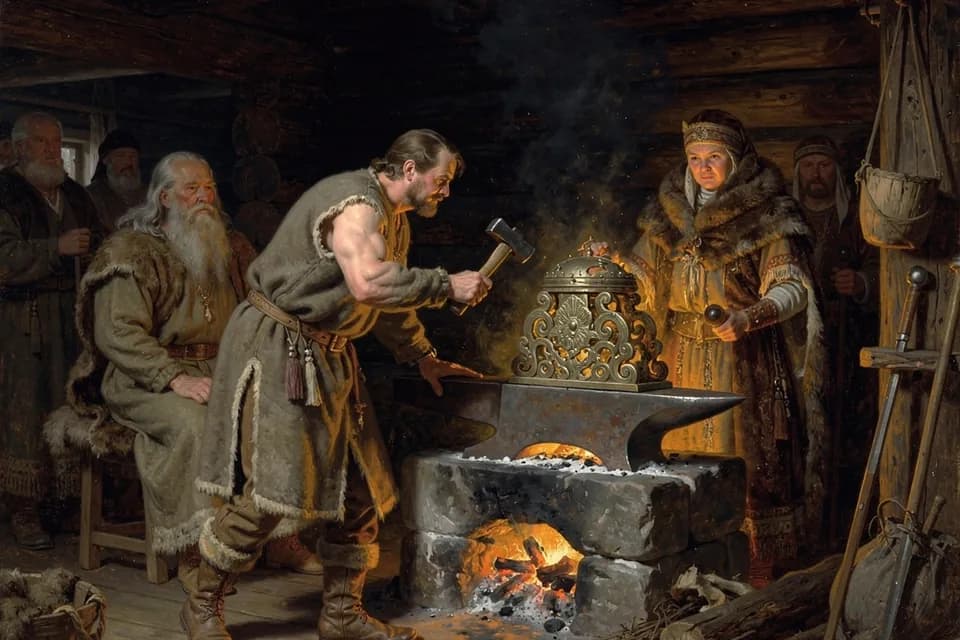 The Forging of the SampomythStranded in the North, Väinämöinen promises that his brother-smith Ilmarinen will forge the Sampo for Louhi in exchange for passage home; after four days of failed wonders, Ilmarinen forges a mill that grinds grain, salt, and money, and Louhi locks it deep in a mountain.
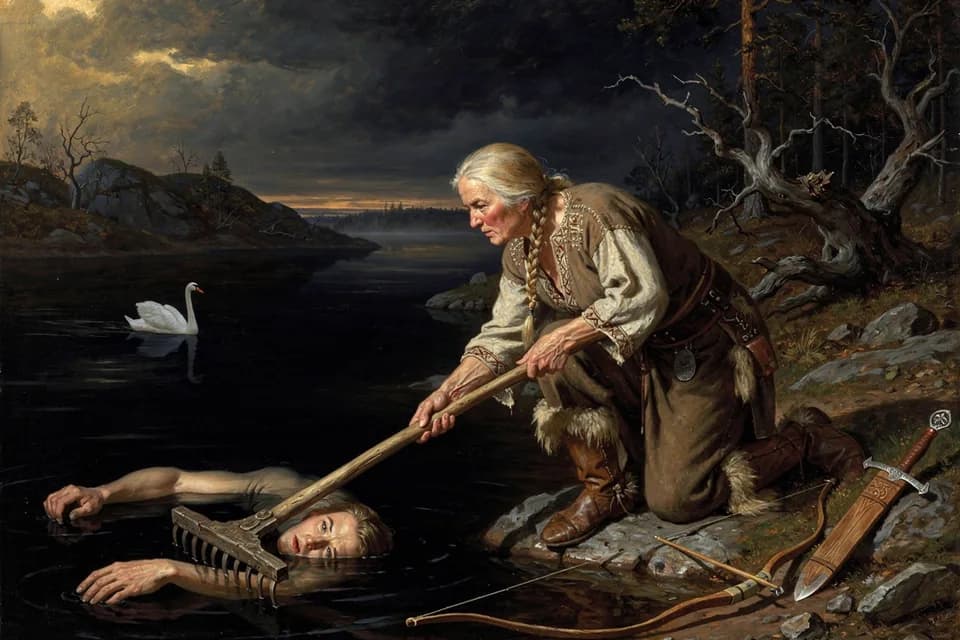 Lemminkäinen's MotherdeathSent by Louhi to shoot the swan on the black river of Tuonela, the reckless Lemminkäinen is killed and cut to pieces; his mother, warned by his bleeding hairbrush, searches the world, rakes his body from the river of the dead, and brings him back to life.
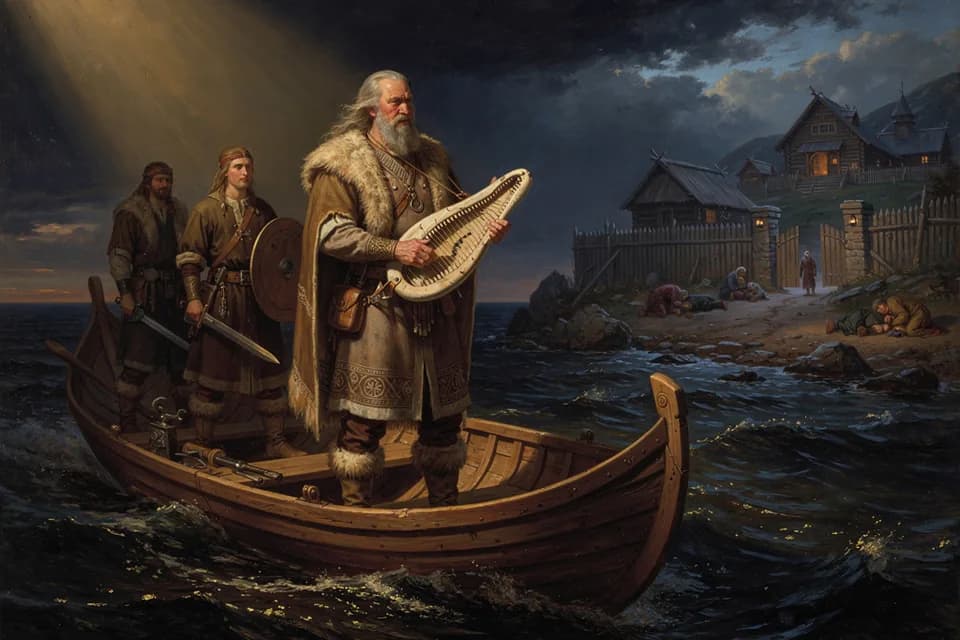 The Theft of the SampoepicVäinämöinen, Ilmarinen, and Lemminkäinen sail north to take the Sampo; on the way Väinämöinen makes the first kantele from a giant pike's jawbone, and with its music puts Pohjola to sleep; Louhi pursues them as a giant eagle, and in the battle the Sampo shatters in the sea.
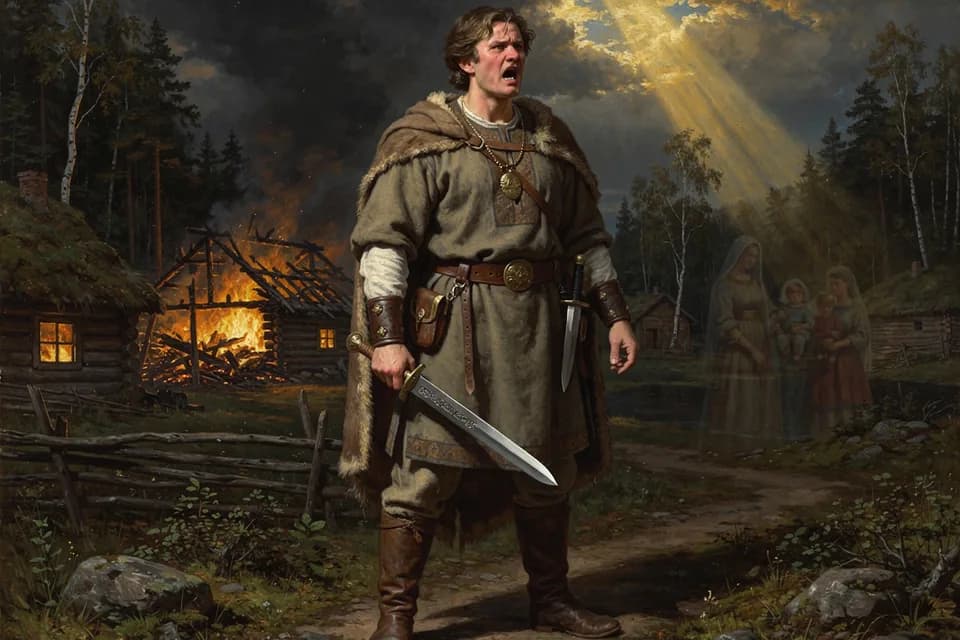 KullervotragedyBorn into slavery after his family is massacred, Kullervo is mistreated from childhood; he takes revenge on Ilmarinen's wife, unknowingly seduces his own sister, destroys the clan that wronged his family, and dies on his own sword at the place of his sin.
About this record
By Elizabeth Stein for Mythos Atlas. About the author. Editorial notes are grounded in the site's cited sources and can be challenged through the contact page.
Dates and authorship follow standard scholarly references; for many ancient works both are approximate or disputed.