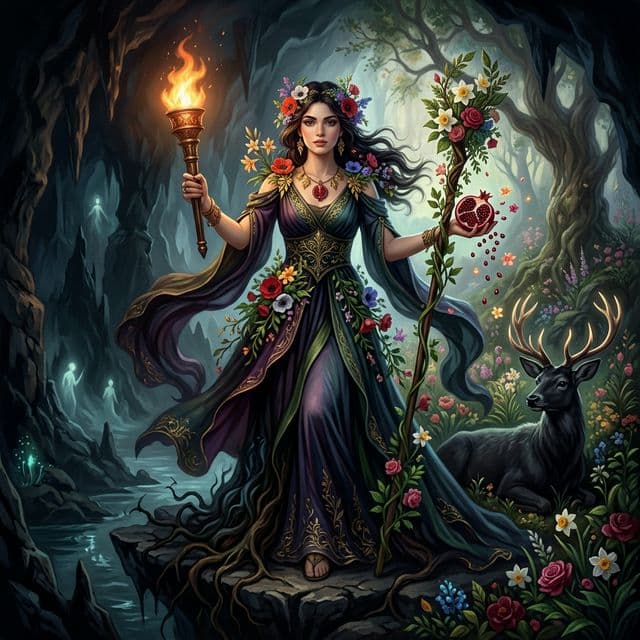
Persephone
Queen of the Underworld and goddess of spring growth. Daughter of Zeus and Demeter, wife of Hades. Her annual return from the underworld brings spring; her descent brings winter.
Divine domains
16 goddesses of the Greek Pantheon in the atlas, with the domains each entry lists, most prominent first.
Queen of the Underworld and goddess of spring growth. Daughter of Zeus and Demeter, wife of Hades. Her annual return from the underworld brings spring; her descent brings winter.
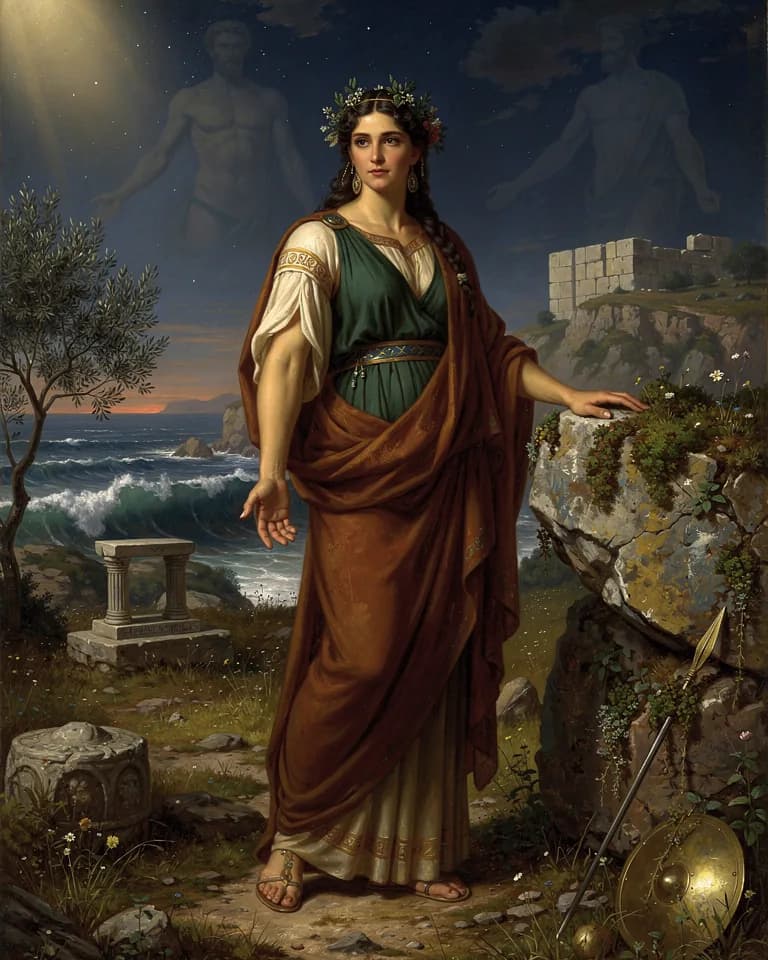
Primordial goddess of the Earth, one of the first beings to emerge from Chaos. Gaia is the mother of the sky (Uranus), the sea (Pontus), the Titans, the Cyclopes, and, through the blood of Uranus, the Giants and the Furies.
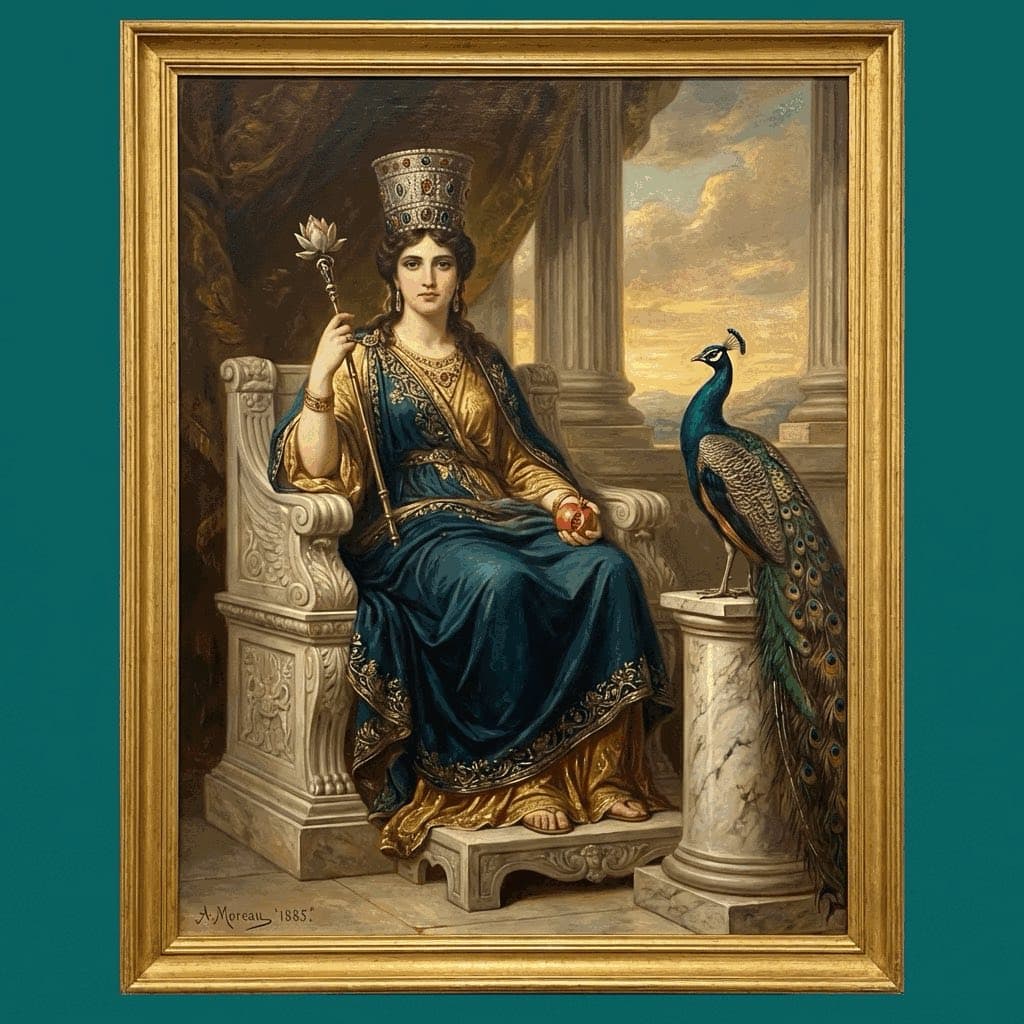
Queen of the gods and goddess of marriage and family. Wife and sister of Zeus, known for her jealousy toward Zeus's lovers and illegitimate children.
Titan daughter of Gaia and Uranus. With Cronus, she is the mother of Hestia, Demeter, Hera, Hades, Poseidon, and Zeus in Hesiod’s Theogony.
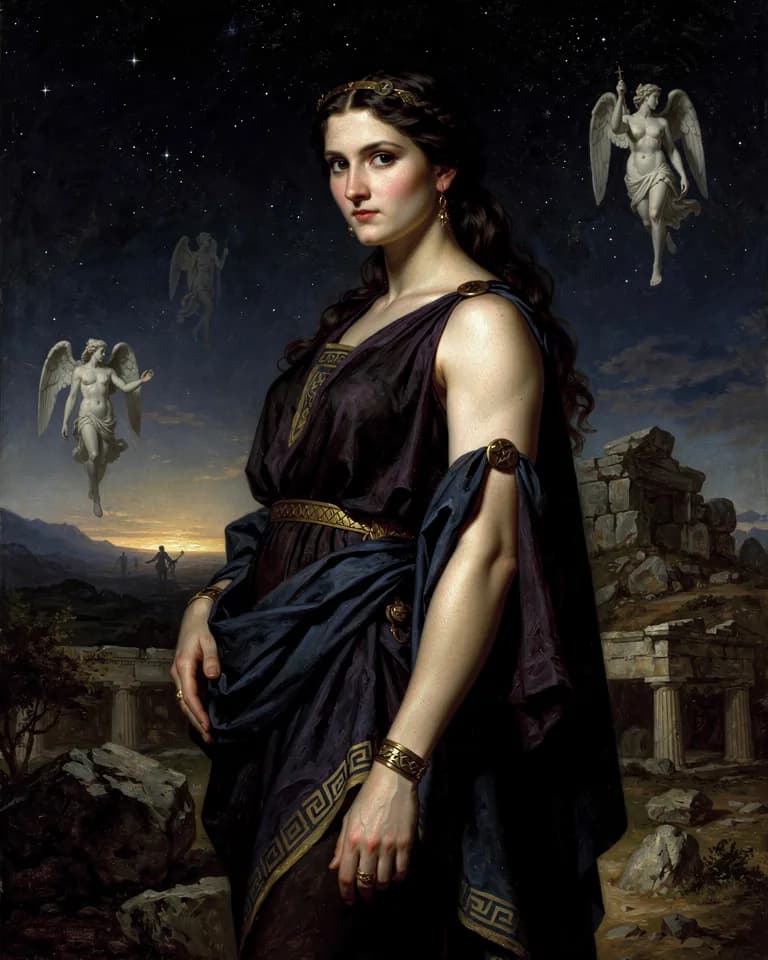
Night, one of the first powers in Hesiod's account of creation: born from Chaos, she bears Day and Aether and, on her own, a long brood of forces that trouble mortals, among them Death, Sleep, Doom and Nemesis. Even Zeus, in the Iliad, hesitates to anger her.
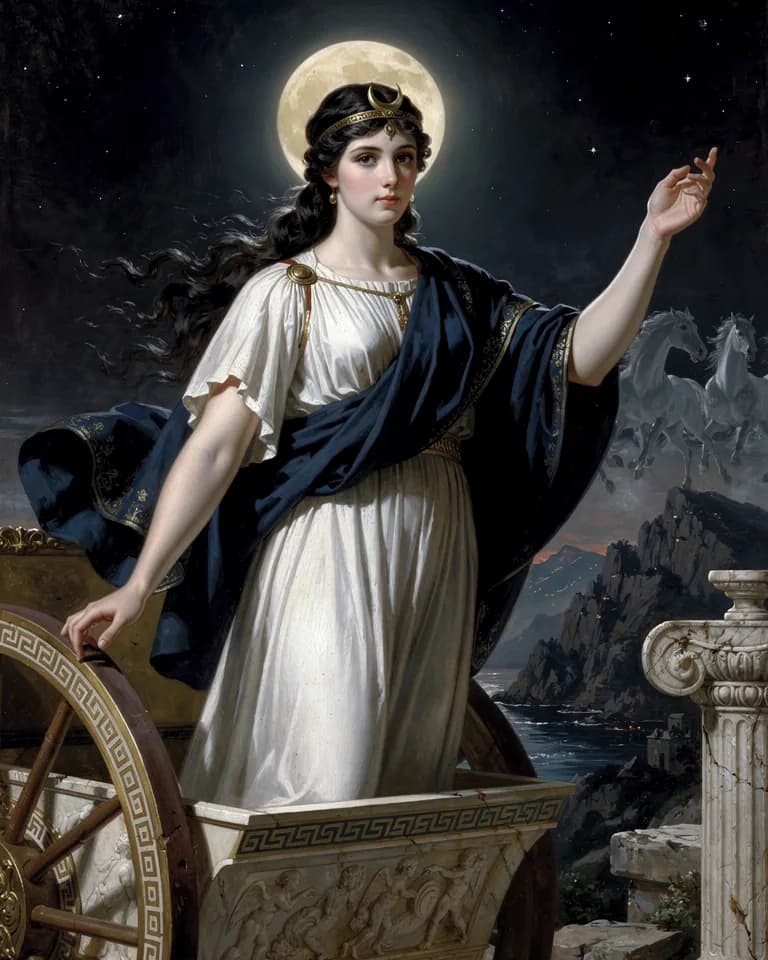
The Titan-born goddess of the moon, daughter of Hyperion and Theia and sister of Helios and Eos. She drives her team across the night sky, and poets tell of her love for the sleeping shepherd Endymion.
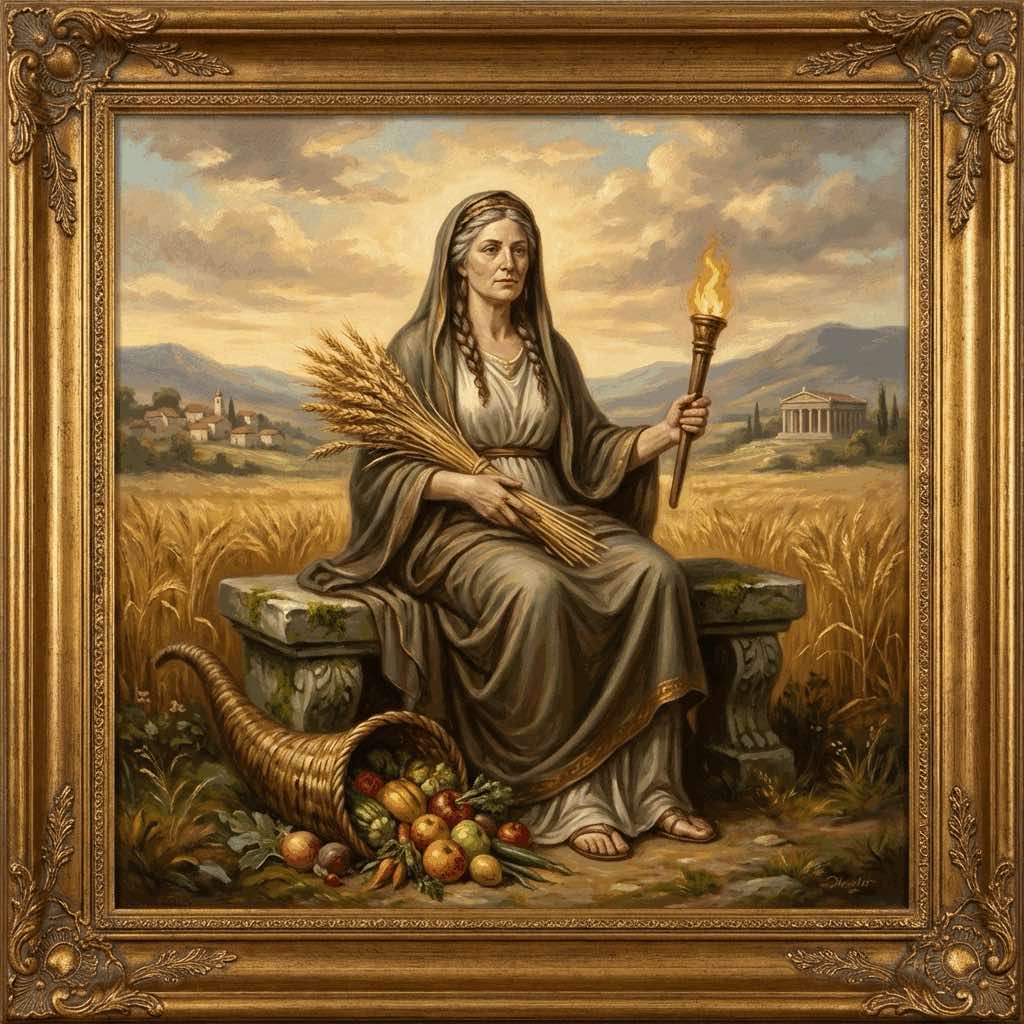
Goddess of agriculture, harvest, and fertility. Mother of Persephone, whose abduction by Hades explains the seasons.
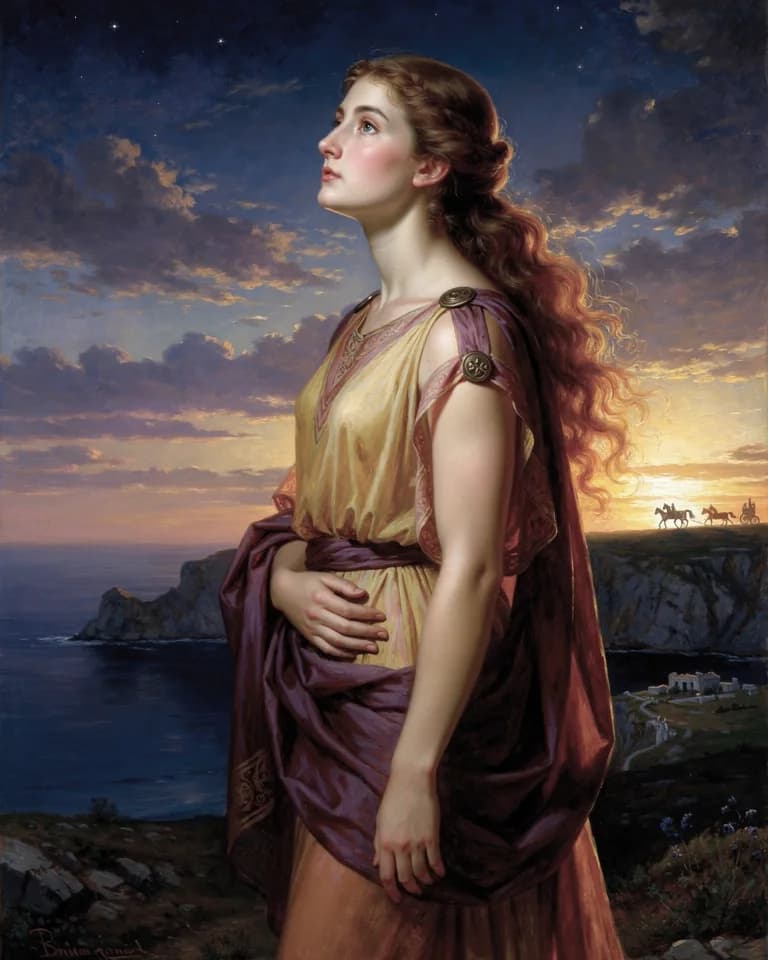
The goddess of dawn, sister of Helios and Selene, who rises each morning from the bed of her mortal consort Tithonus to bring light to gods and men. Homer's formula 'rosy-fingered Dawn' marks the start of countless days in the Iliad and Odyssey.
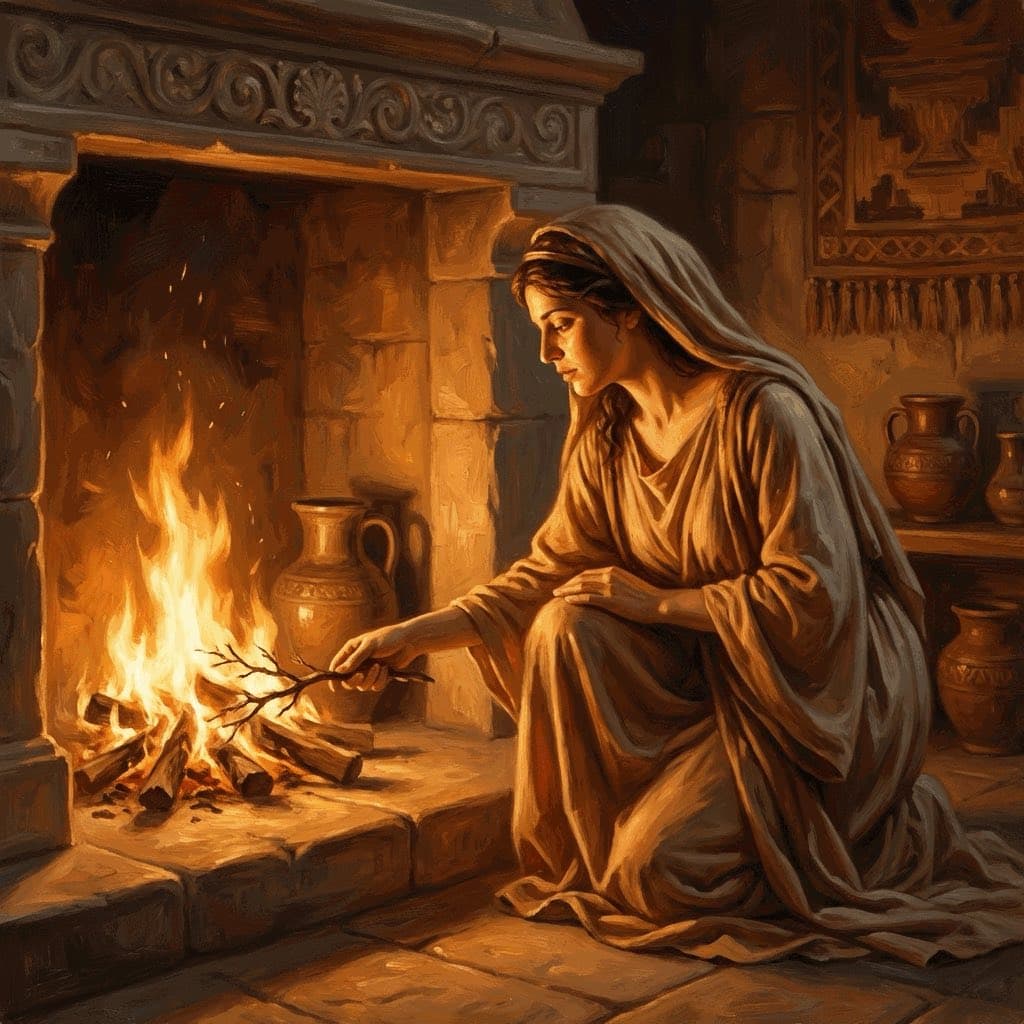
Goddess of the hearth, home, and family. The firstborn of Cronus and Rhea, she maintained eternal virginity and tended the sacred fire of Olympus.
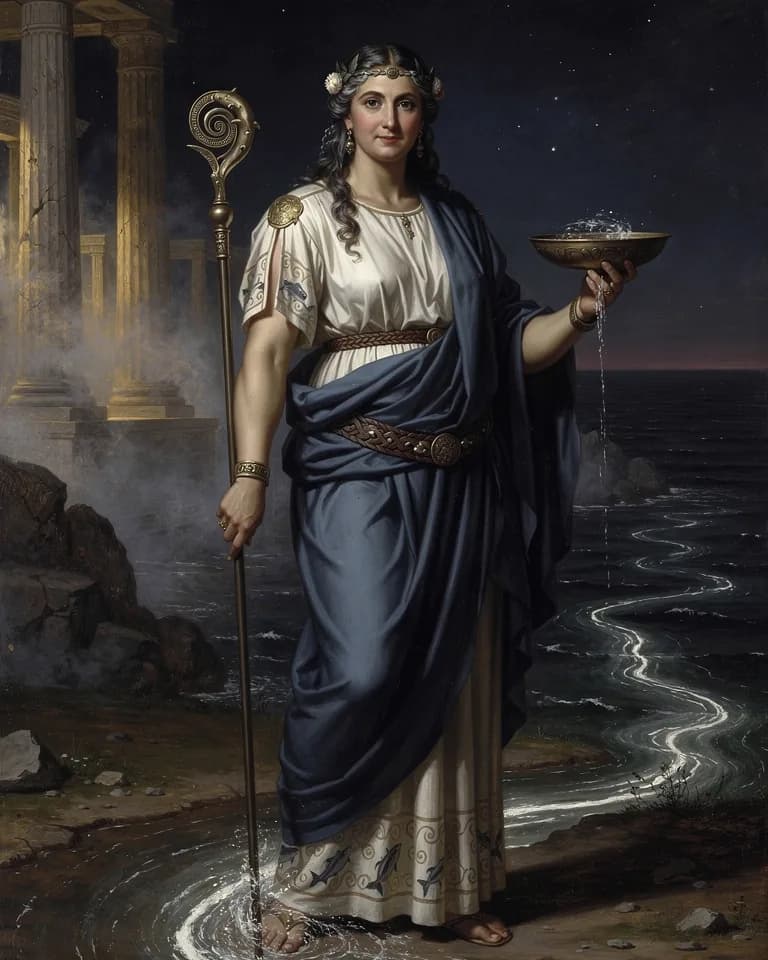
A Titaness, daughter of Gaia and Uranus and wife of her brother Oceanus. Hesiod makes her mother of the world's rivers and of the three thousand Oceanid nymphs; in the Iliad Hera calls her 'mother Tethys' and recalls being raised in her house.
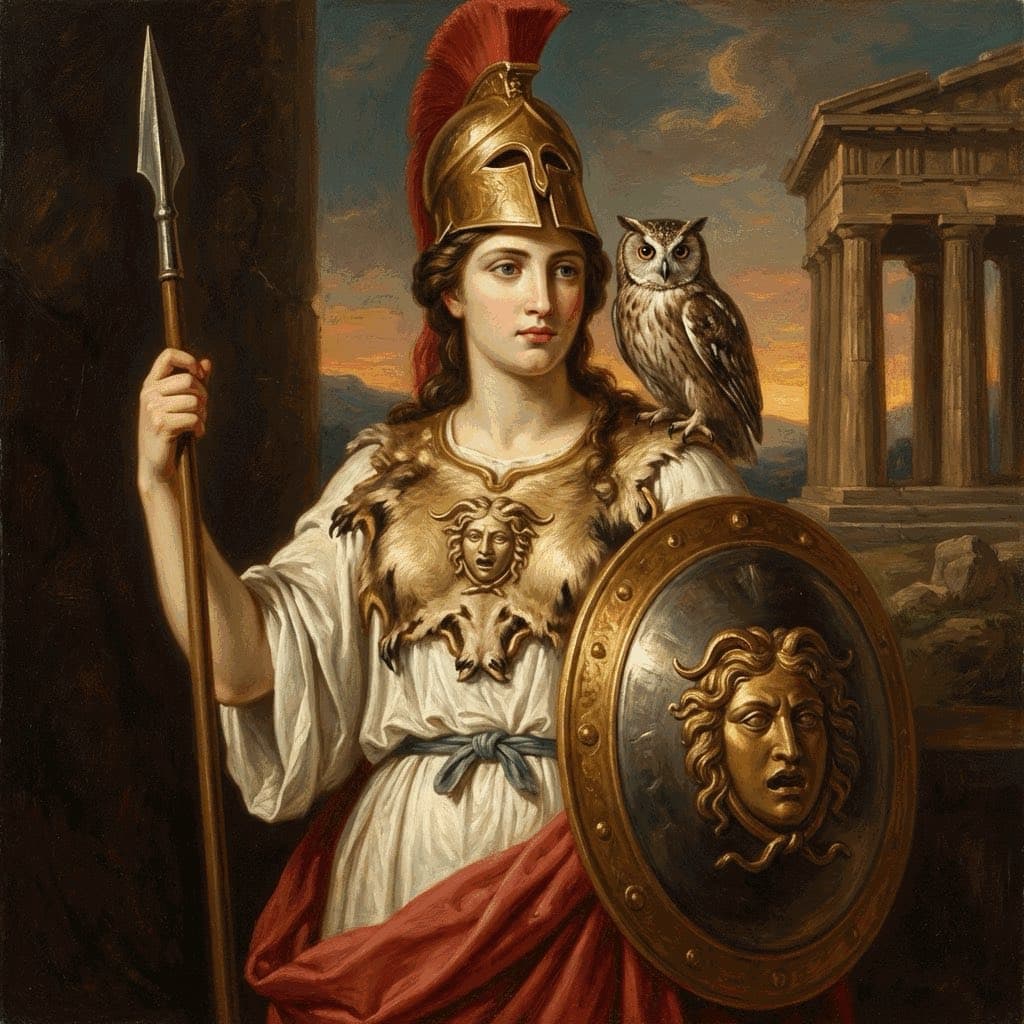
Goddess of wisdom, warfare, and crafts. Born fully armed from Zeus's forehead after he swallowed her mother Metis.
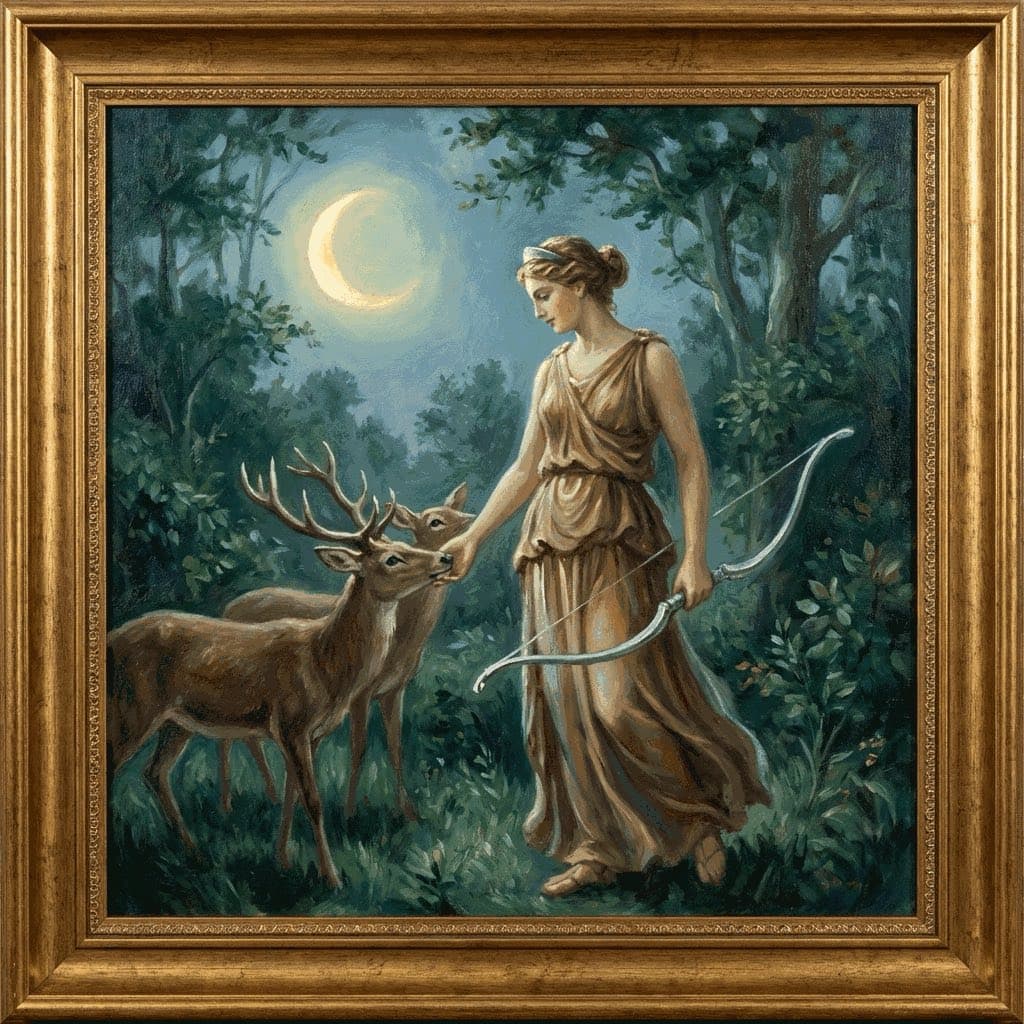
Goddess of the hunt, wilderness, and the moon. Twin sister of Apollo, protector of young women and animals.
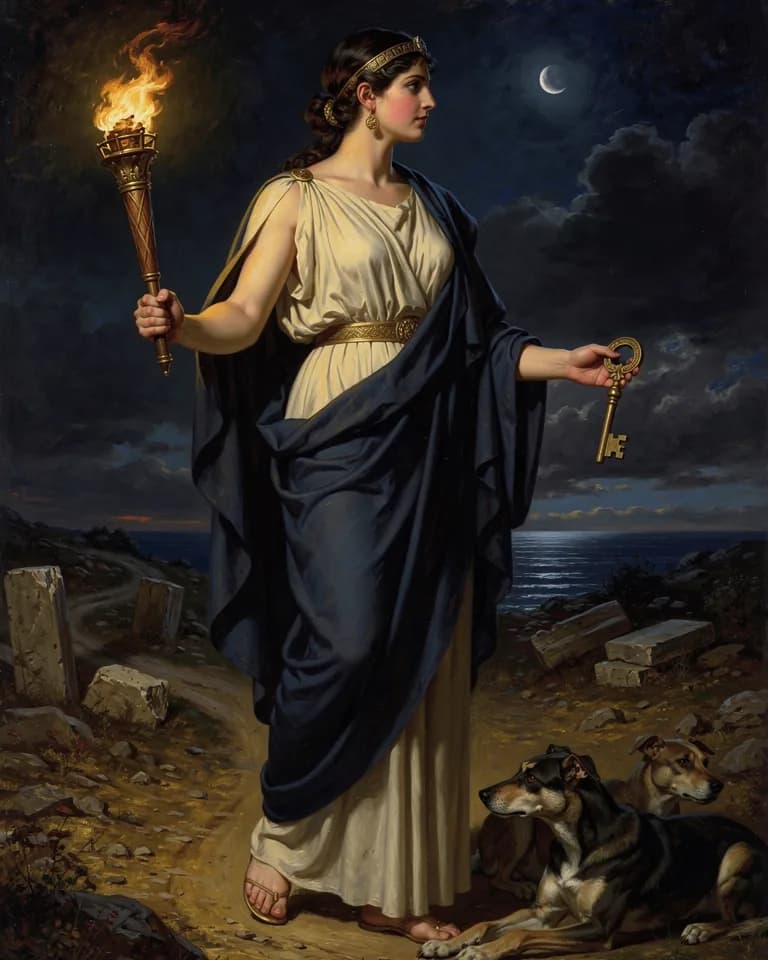
A Titan-descended goddess uniquely honored by Hesiod with power over earth, sea, and sky. In later Classical and Hellenistic tradition, Hecate's role narrowed and darkened into a chthonic goddess of crossroads, ghosts, and magic — a significantly different figure from Hesiod's expansive, benevolent Hecate.
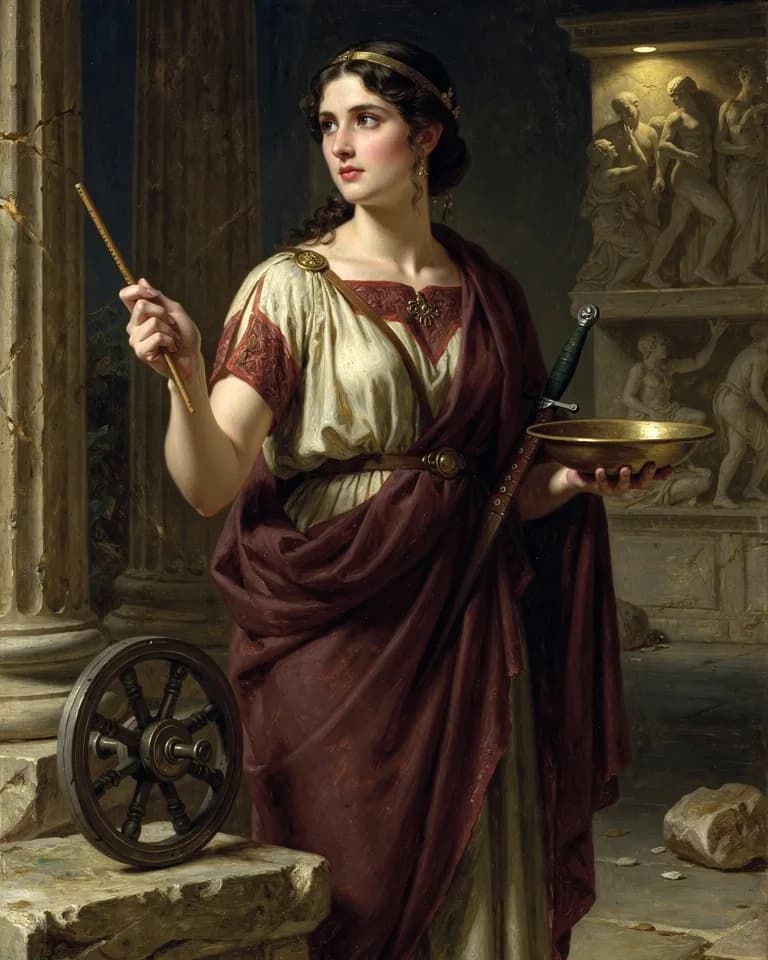
The daughter of Night whom Hesiod calls a bane to mortals: the indignation that answers excess and undeserved good fortune. She had a Classical temple at Rhamnous in Attica, and a lost early epic made her, not Leda, the mother of Helen.
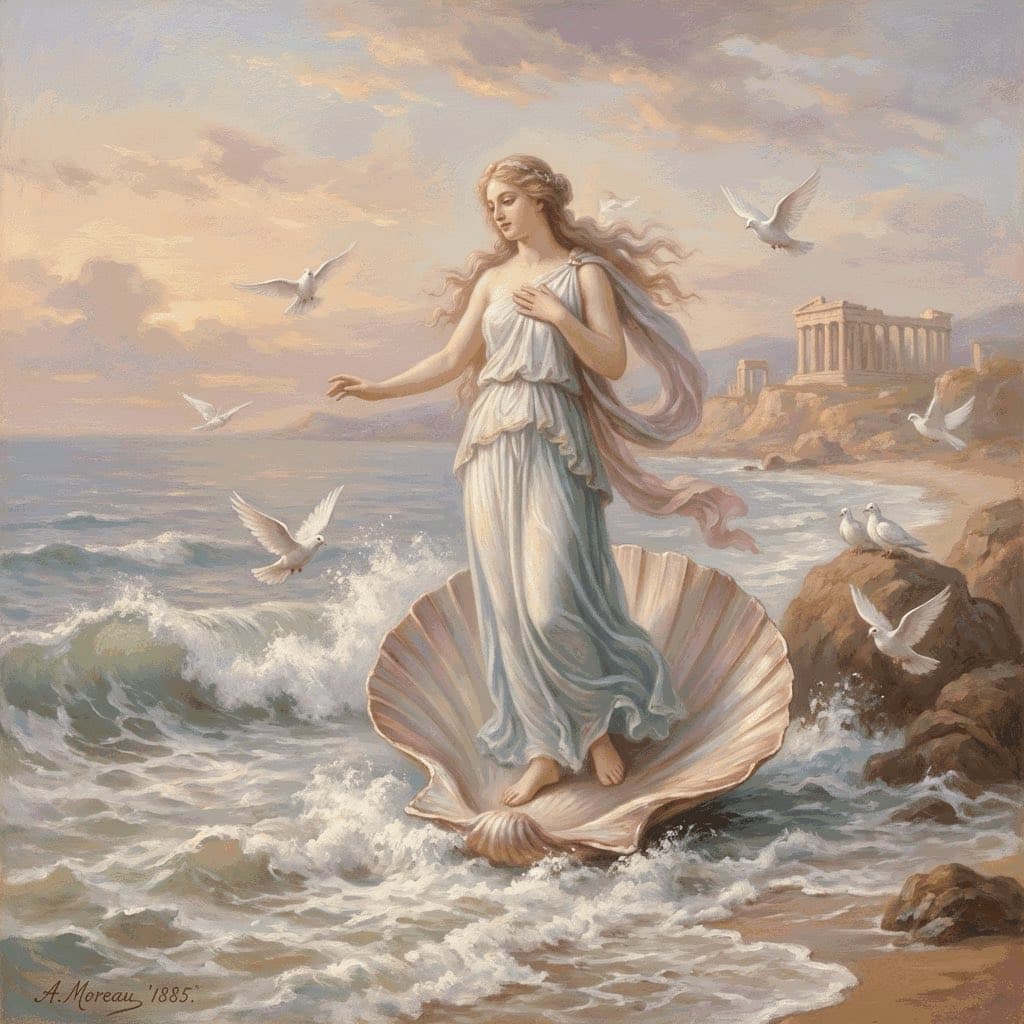
Goddess of love, beauty, and desire. Born from the sea foam after Cronus castrated Uranus and threw his genitals into the sea.
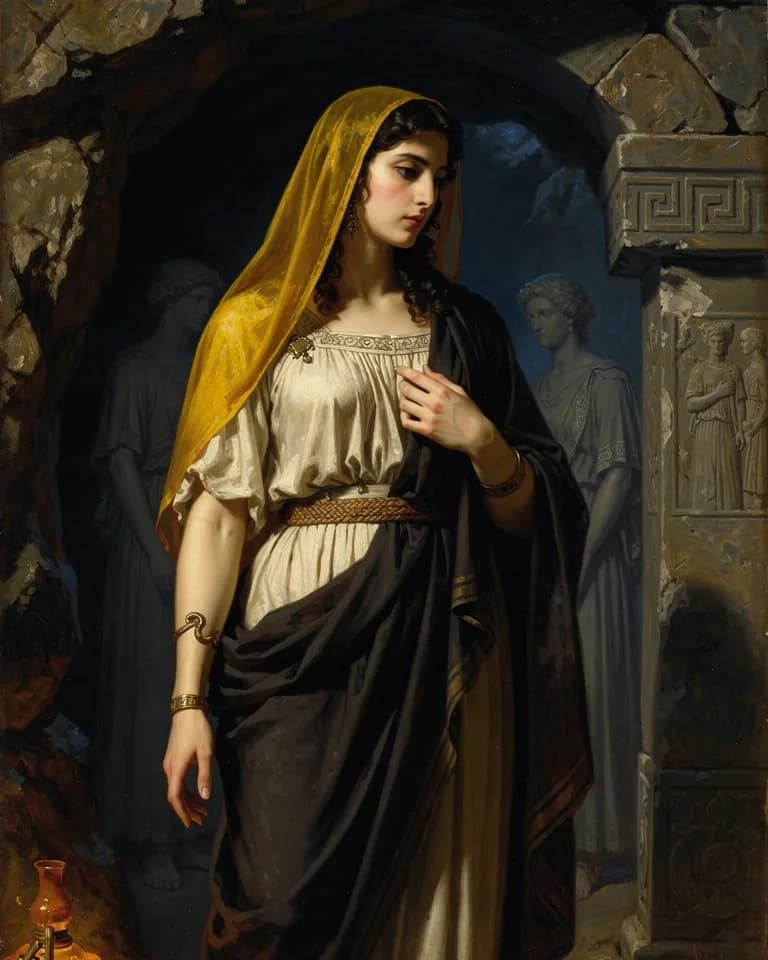
A chthonic goddess known from a single ancient text, Orphic Hymn 71: a saffron-veiled daughter of Persephone, fathered by Zeus in the guise of Plouton, who sends apparitions and night terrors to mortals. Almost nothing else is recorded of her.
Built from each deity's catalog entry, using its recorded gender. Back to the Greek Pantheon, or browse every deity.