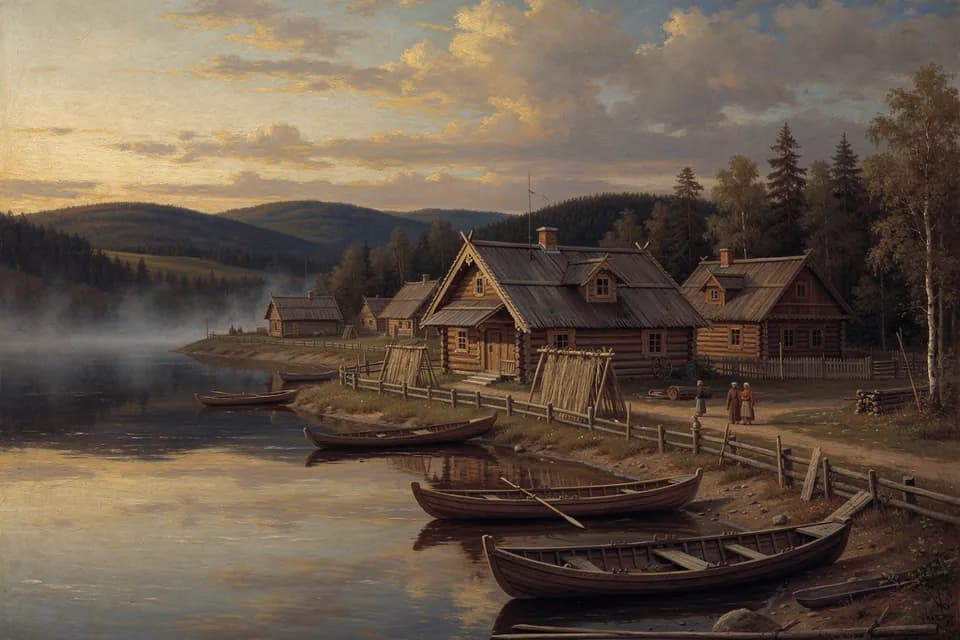
Finland and Karelia (Northern Europe)
Finnish Tradition (Kalevala)
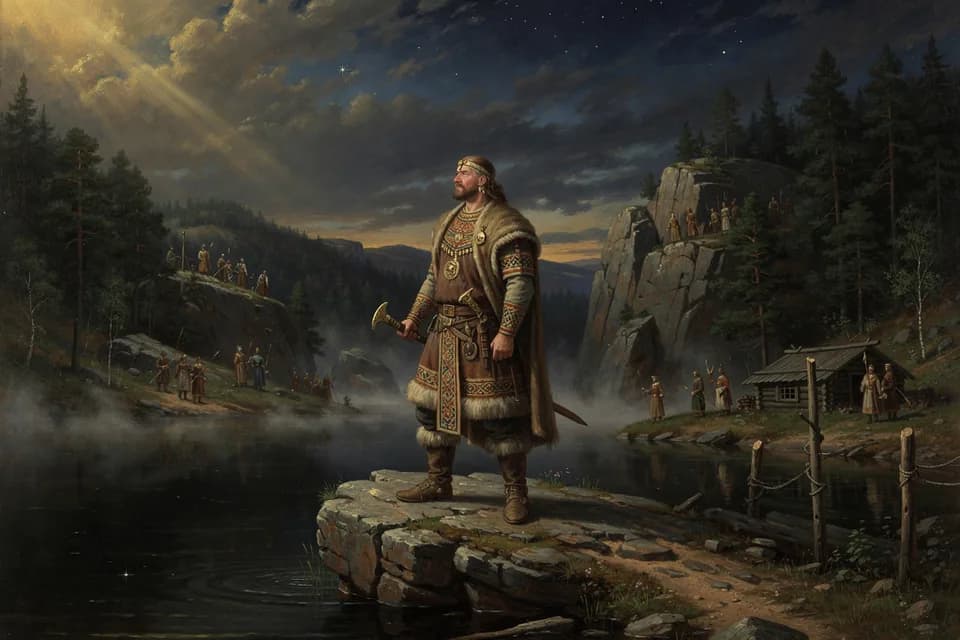
The gods and heroes of Finnish and Karelian runo-song, known from Mikael Agricola's list of 1551, from thousands of folk poems collected in the eighteenth and nineteenth centuries, and above all from Elias Lönnrot's national epic, the Kalevala.
History and context
A tradition recorded late
The Baltic Finnic peoples, ancestors of the Finns, Karelians, and Estonians, had no writing before Christianization, which reached Finland gradually between the eleventh and thirteenth centuries through Swedish and Novgorodian influence. The earliest written list of Finnish gods comes from the Lutheran reformer Mikael Agricola, who prefaced his Finnish Psalter of 1551 with a rhymed catalog of the 'idols' of the Tavastians and Karelians: Tapio who gave game from the forest, Ahti who brought fish from the water, Väinämöinen who made songs, Ilmarinen who made calm and storm, Ukko whose bowl was drunk at the spring sowing, and many more. Christfrid Ganander's Mythologia Fennica (1789) added a dictionary of beliefs and names.
Runo-song
The richest evidence is oral poetry in the Kalevala metre, a trochaic line with heavy alliteration and parallelism, sung in Finland, Karelia, and Ingria. It includes epic songs about Väinämöinen, Ilmarinen, and Lemminkäinen, charms (loitsut) that invoke the origin of iron, fire, or disease to gain power over it, lyric songs, and wedding songs. The tradition survived longest among the Orthodox Karelians of Viena (White Sea) Karelia, now in Russia. Collected from the late eighteenth century on, these songs fill the 34 volumes of Suomen Kansan Vanhat Runot.
Lönnrot's Kalevala
The physician Elias Lönnrot made eleven collecting journeys between 1828 and 1844, meeting singers such as Arhippa Perttunen of Latvajärvi in Viena Karelia. From his own and others' collections he compiled the Kalevala (1835; expanded edition of 50 runes, 1849), joining separate songs into a continuous epic, harmonizing names, supplying linking passages, and sometimes moving episodes between characters. The creation from the eggs, for example, is laid on the knee of Väinämöinen himself in most folk variants; Lönnrot gave the role to the air-maiden he named Ilmatar. The Kalevala is therefore both a work of genuine folk poetry and a nineteenth-century literary creation, and it shaped Finnish national identity during the period of Russian rule before independence in 1917.
What this entry does
Each record here says whether it rests on Agricola, on folk poetry, or on the Kalevala as Lönnrot arranged it. Quotations from the Kalevala are from John Martin Crawford's public-domain English translation of 1888, which follows the 50-rune edition.
Cosmology
The Egg-Born World and the Nail of the North
A world made from the pieces of an egg: the vault of the sky above, forged by Ilmarinen and turning on the Nail of the North; the lands of Kalevala and dark Pohjola; the waters of Ahti; and Tuonela, the land of the dead beyond the black river.
The Nail of the North (Pohjan naula): · In Finnish folk cosmology the sky turns around the North Star, imagined as a nail or pillar holding it up. The folklorist Uno Harva read the Sampo itself as a form of this world pillar; that interpretation is one of many and remains disputed.
Taivas: The Vault of the Sky
AboveThe Lands of Kalevala and Pohjola
MiddleKalevala (Väinölä)
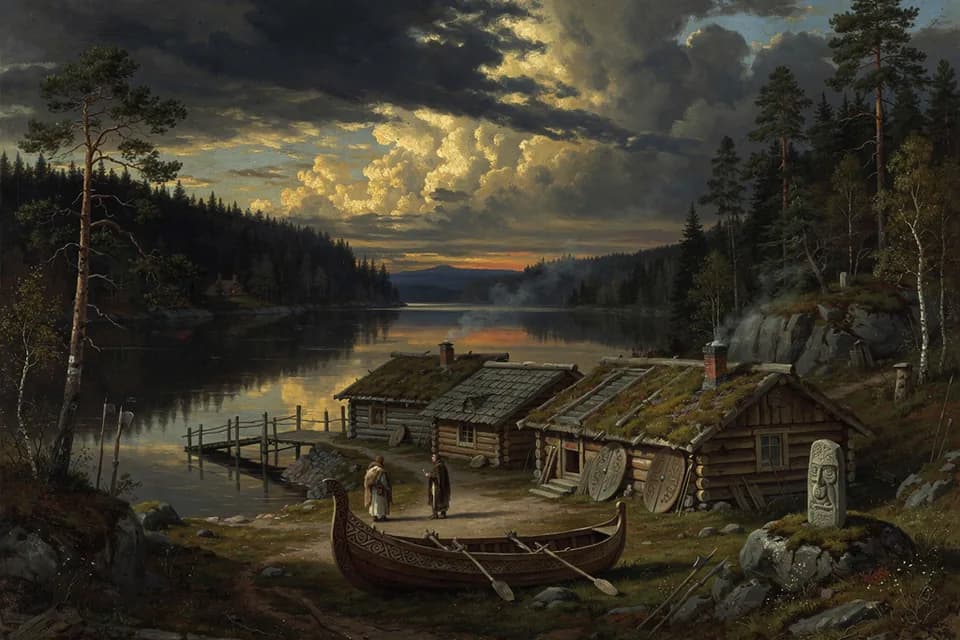
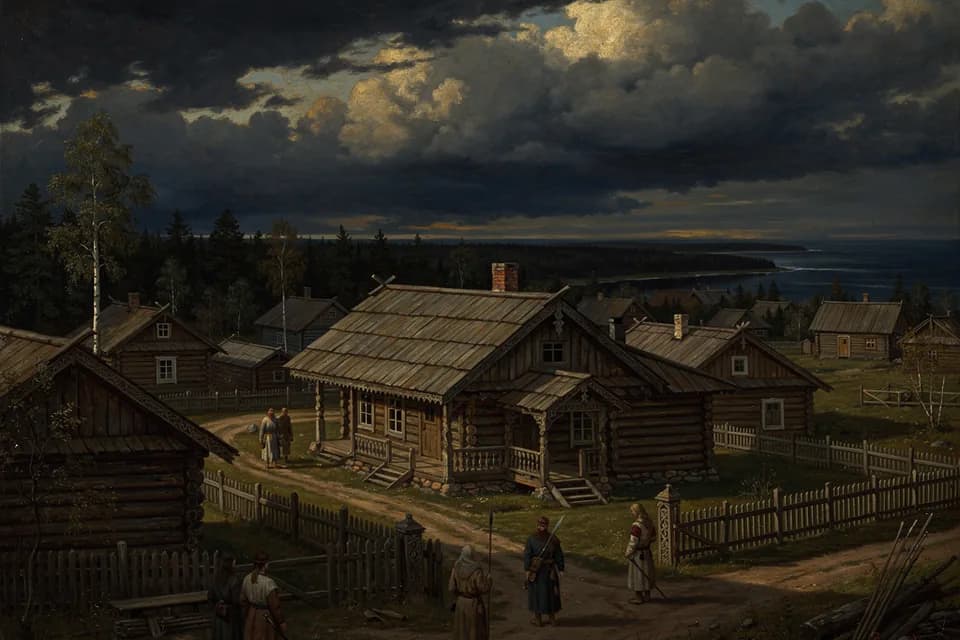
The heroes' homeland, where Väinämöinen sows the first trees and the forest belongs to Tapio and Mielikki.
Visit Kalevala (Väinölä)Pohjola
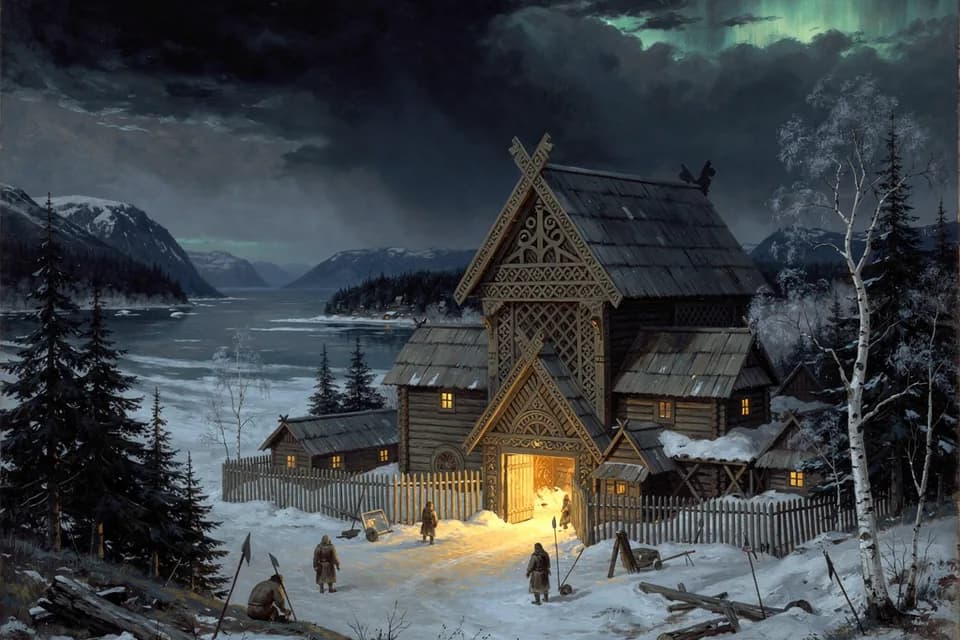
The dark, rich North ruled by Louhi, where the Sampo was forged and locked in the mountain.
Visit Pohjola
Ahtola: The Waters
WatersAhtola
The realm of the waters beneath the waves, ruled by Ahti and Vellamo, home of fish, water-maidens, and the monster Iku-Turso; the shattered Sampo's greater pieces enrich it.
Tuonela: The Land of the Dead
BelowTuonela (Manala)Tuonela, Manala
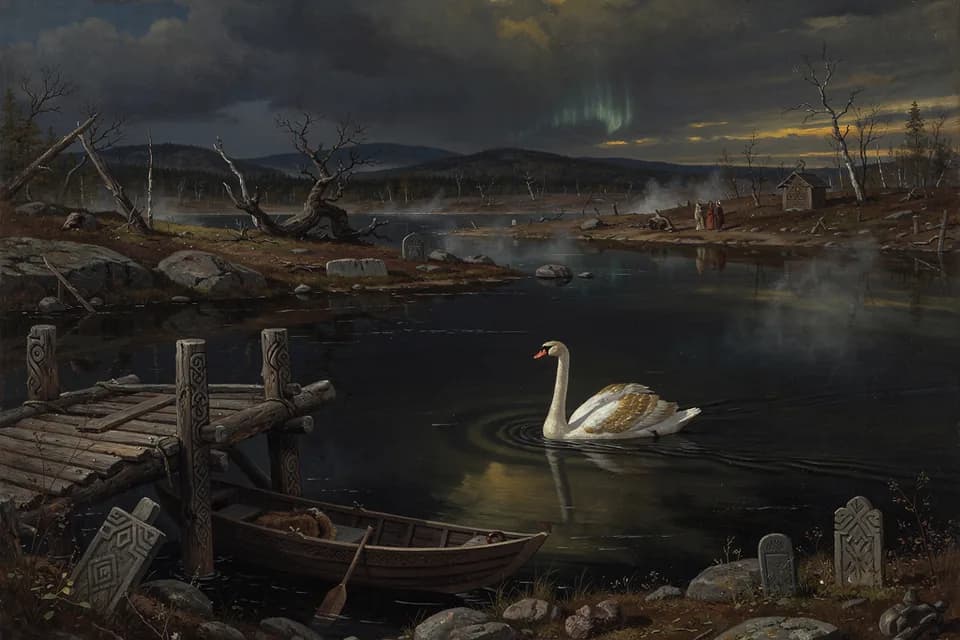
The land of the dead beyond the black river, ruled by Tuoni, where the swan swims and from which no living visitor escapes easily.
Visit Tuonela
 Ukko
Ukko Ilmatar
 Väinämöinen
 Ilmarinen
 Lemminkäinen
 Tapio
Tapio Mielikki
 Elk of Hiisi
 Louhi
Louhi Ahti
Ahti Vellamo
 Iku-Turso
 The Great Pike
 Tuoni
Tuoni Swan of Tuonela
Sources
Works cited
Kalevala
Elias Lönnrot; trans. John Martin Crawford (1888), W. F. Kirby (1907), Keith Bosley (1989)
Dauidin Psaltari, verse preface
Mikael Agricola
Suomen Kansan Vanhat Runot
Finnish Literature Society
Mythologia Fennica
Christfrid Ganander
Finno-Ugric Mythology (The Mythology of All Races, vol. 4)
Uno Holmberg (Harva)
About this guide
By Elizabeth Stein for Mythos Atlas. About the author. Editorial notes are grounded in the site's cited sources and can be challenged through the contact page.
The catalog period is the span of the sources this atlas draws on, not the age of the tradition itself. Many traditions are older than their first written record, and many are still practised.
11 in the atlas
Gods, Spirits & Heroes
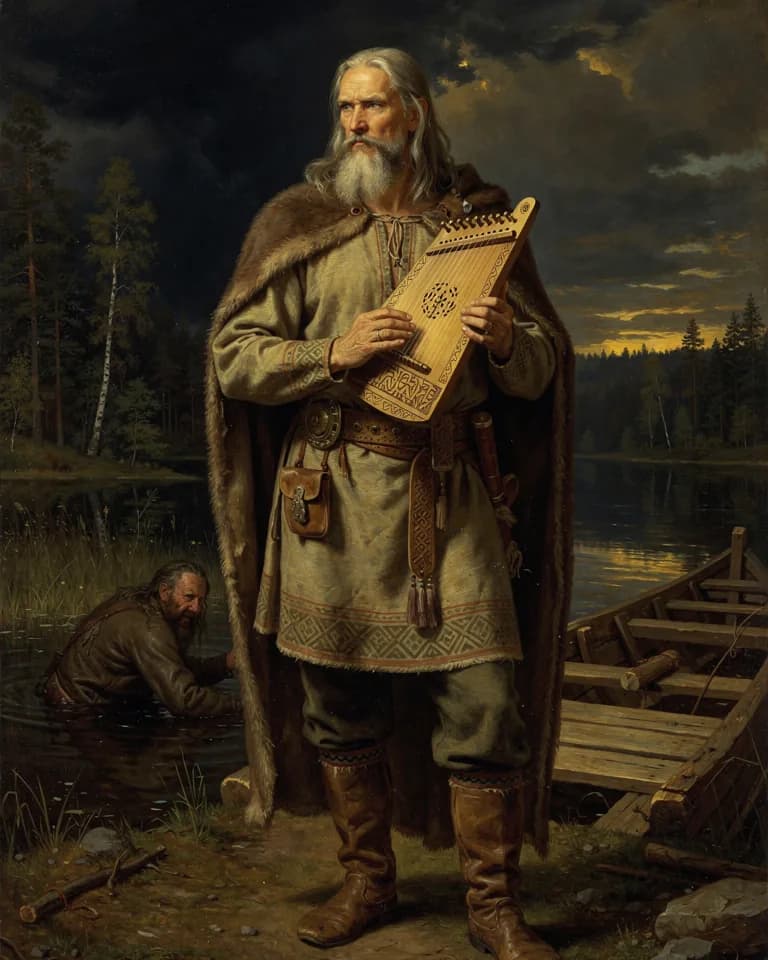 VäinämöinenEternal Singer
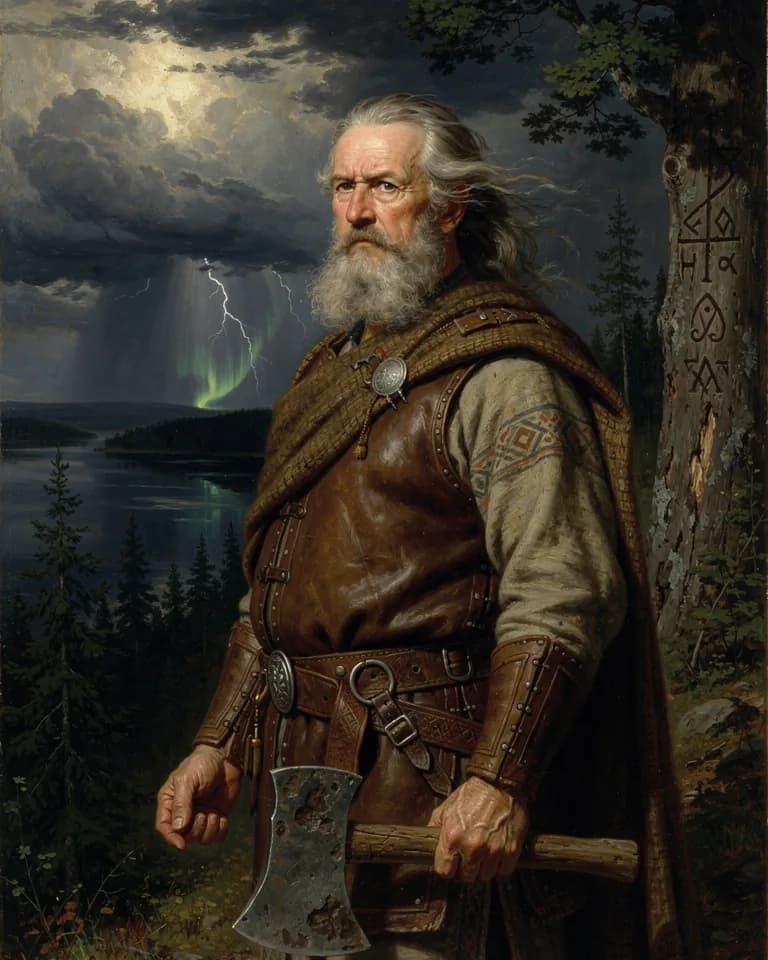 Ukkothe sky, thunder
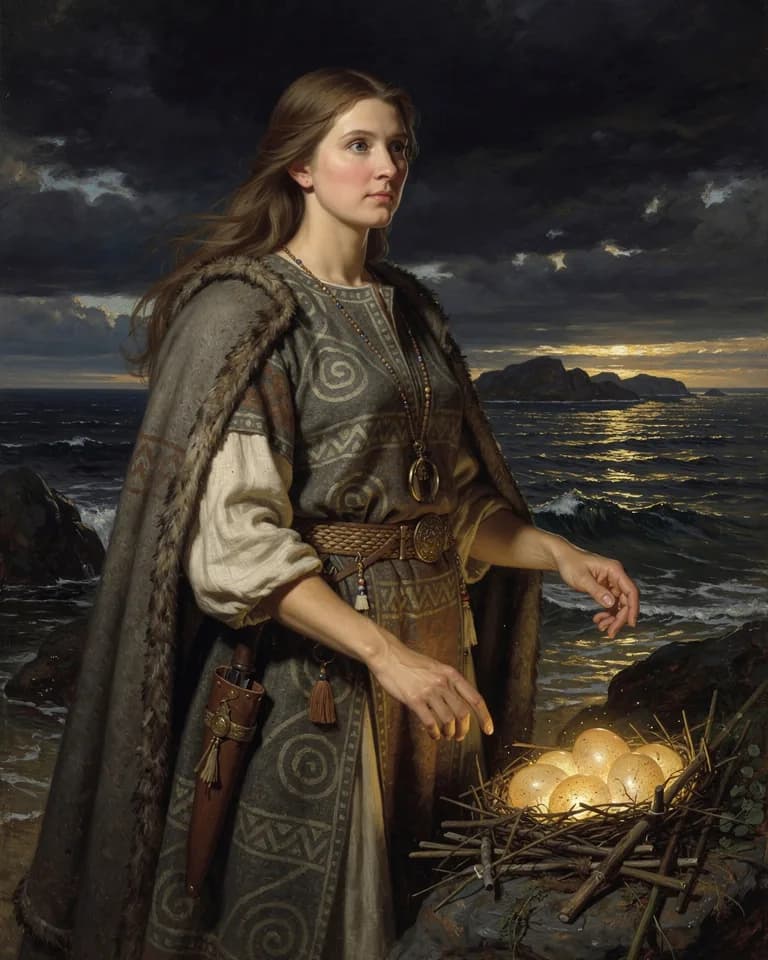 IlmatarPrimordial Mother
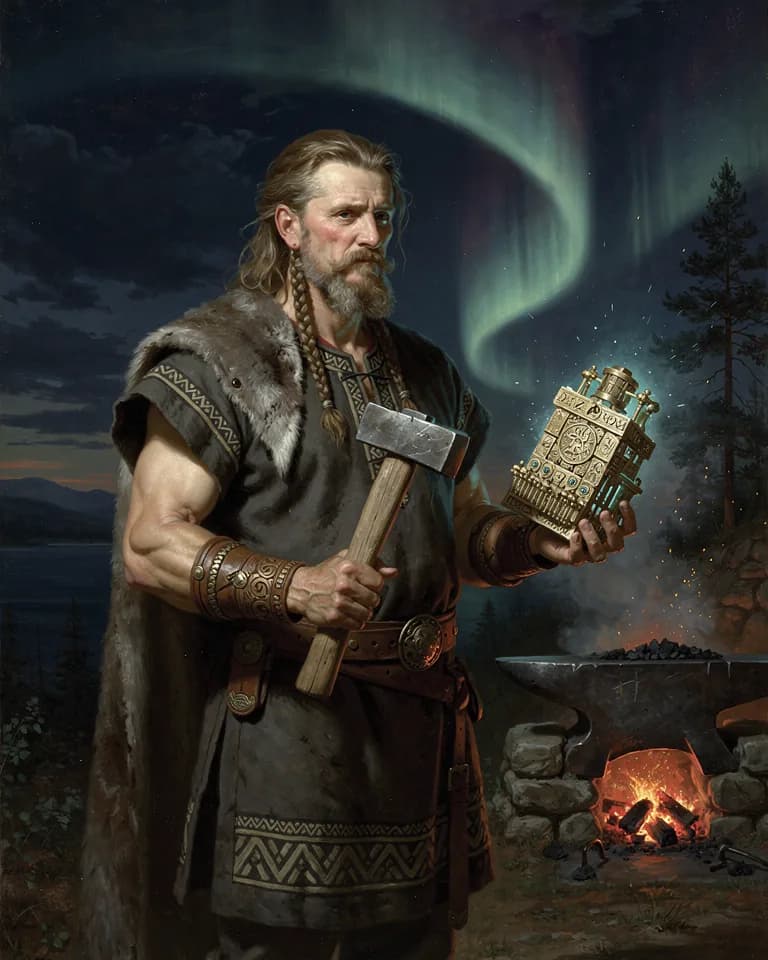 Ilmarinensmithcraft, the weather
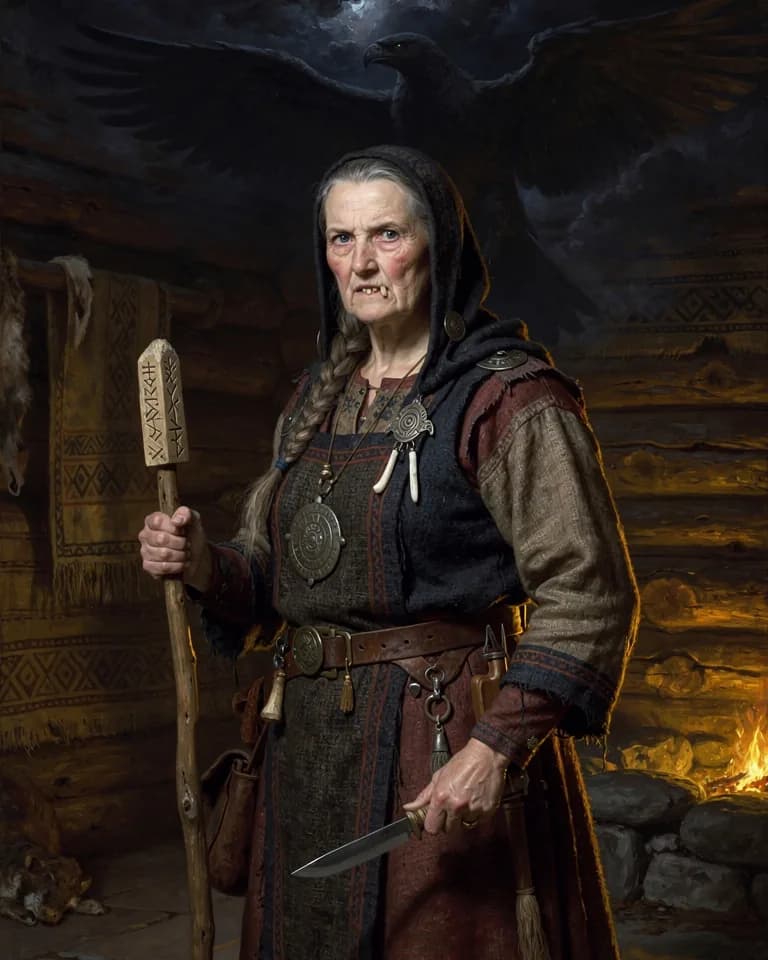 Louhithe North (Pohjola), sorcery
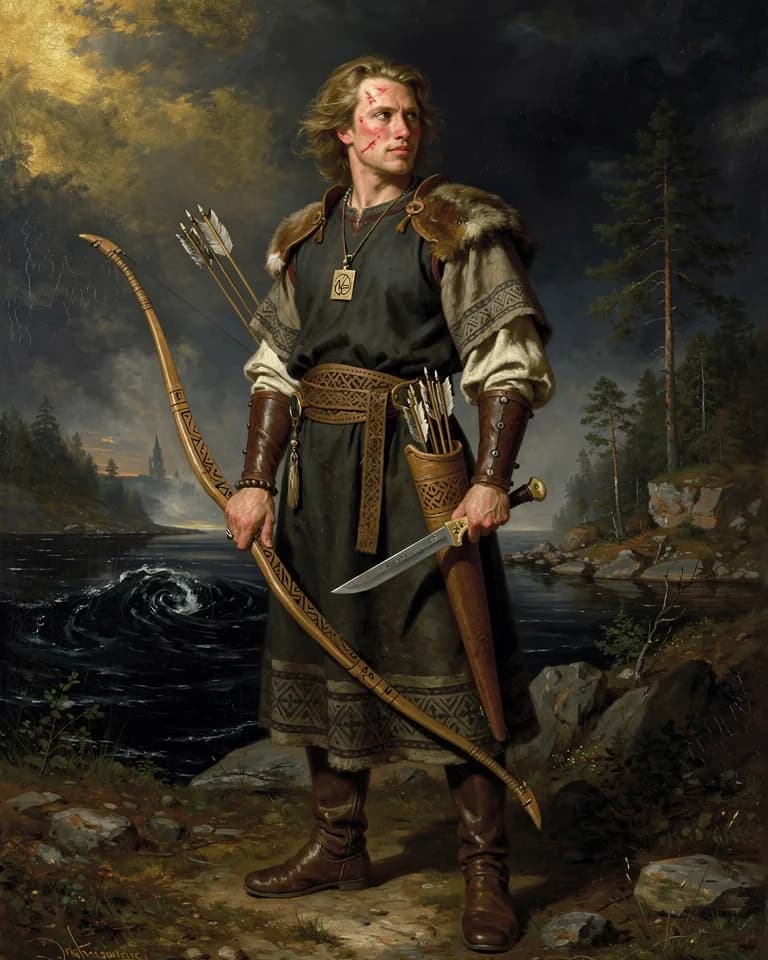 Lemminkäinenadventure, love and seduction
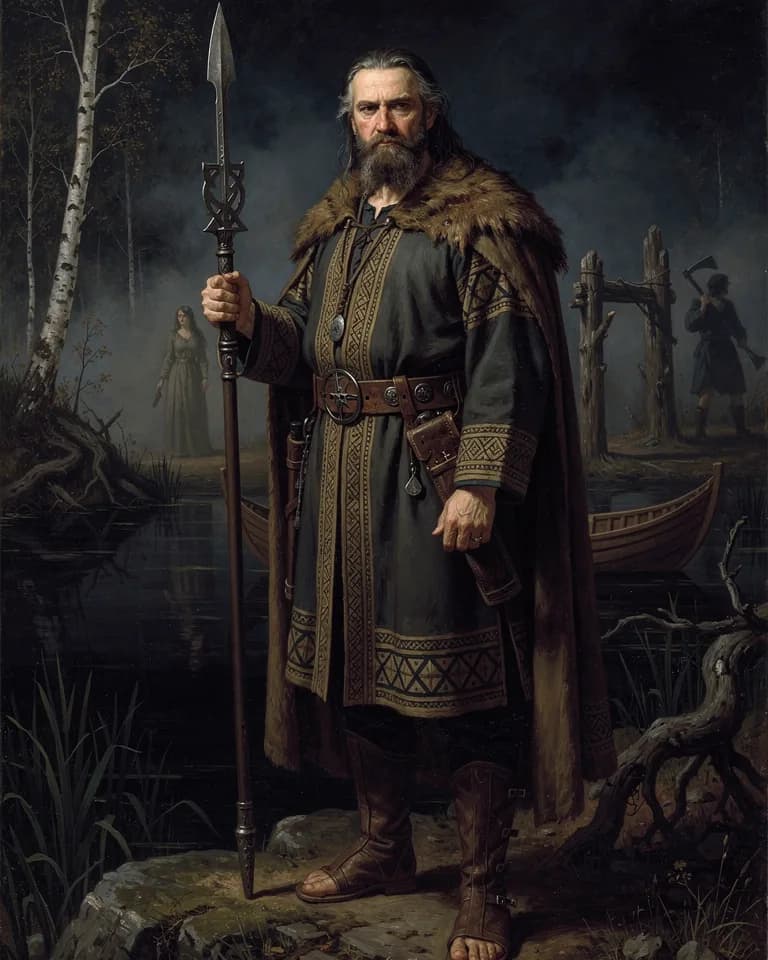 Tuonideath, the underworld (Tuonela)
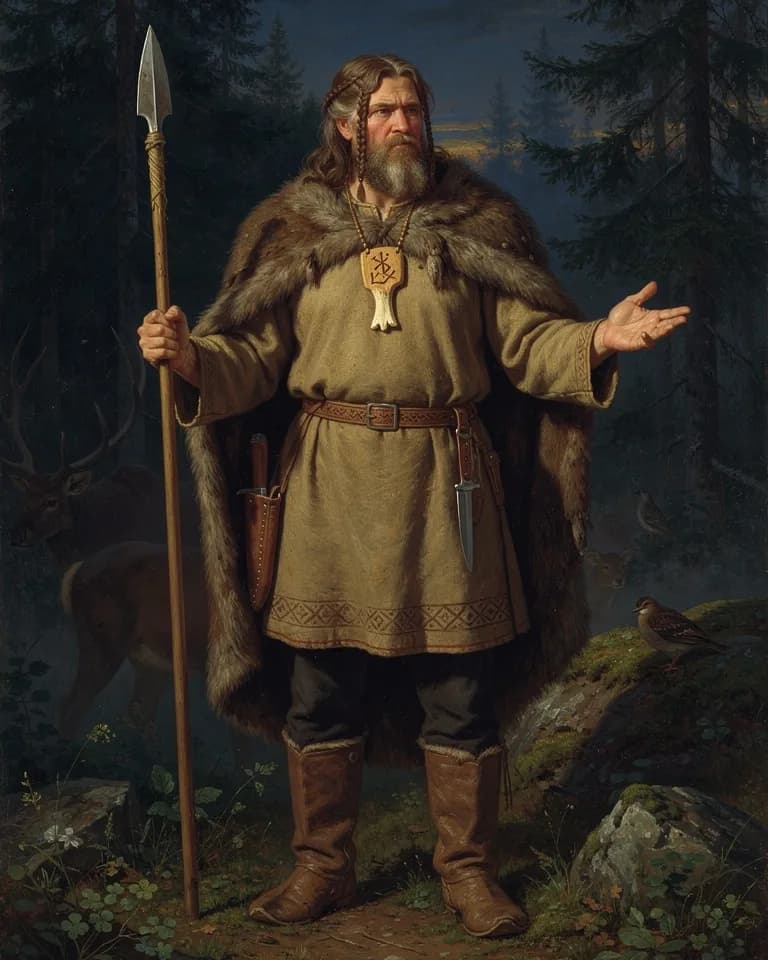 Tapiothe forest, game and hunting
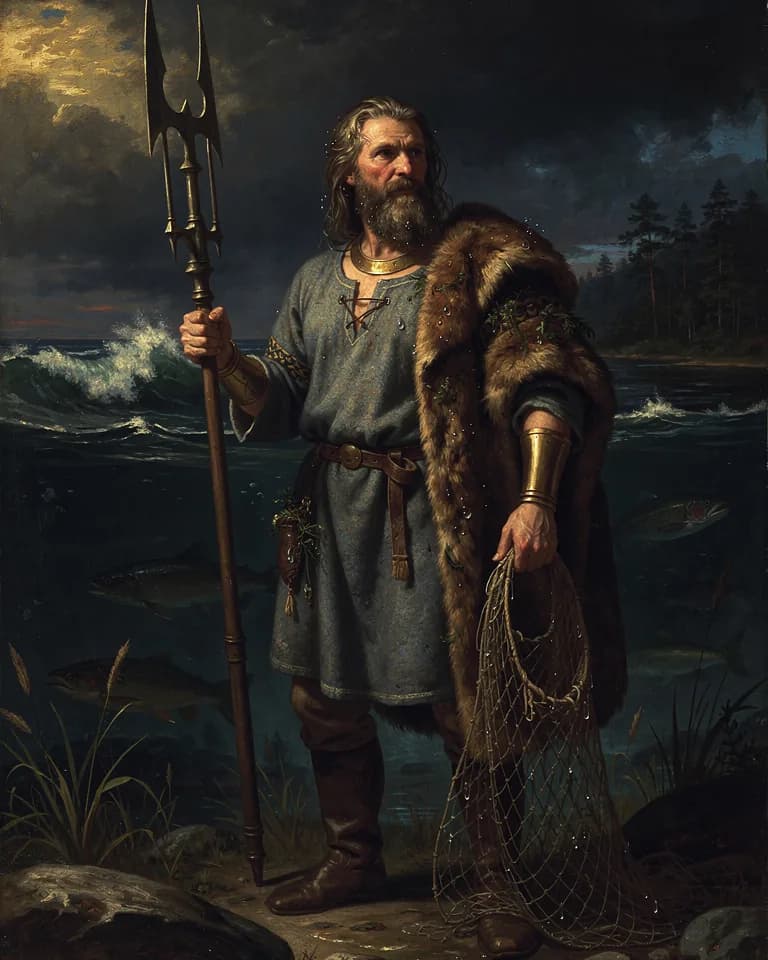 Ahtithe sea and waters, fish and fishing
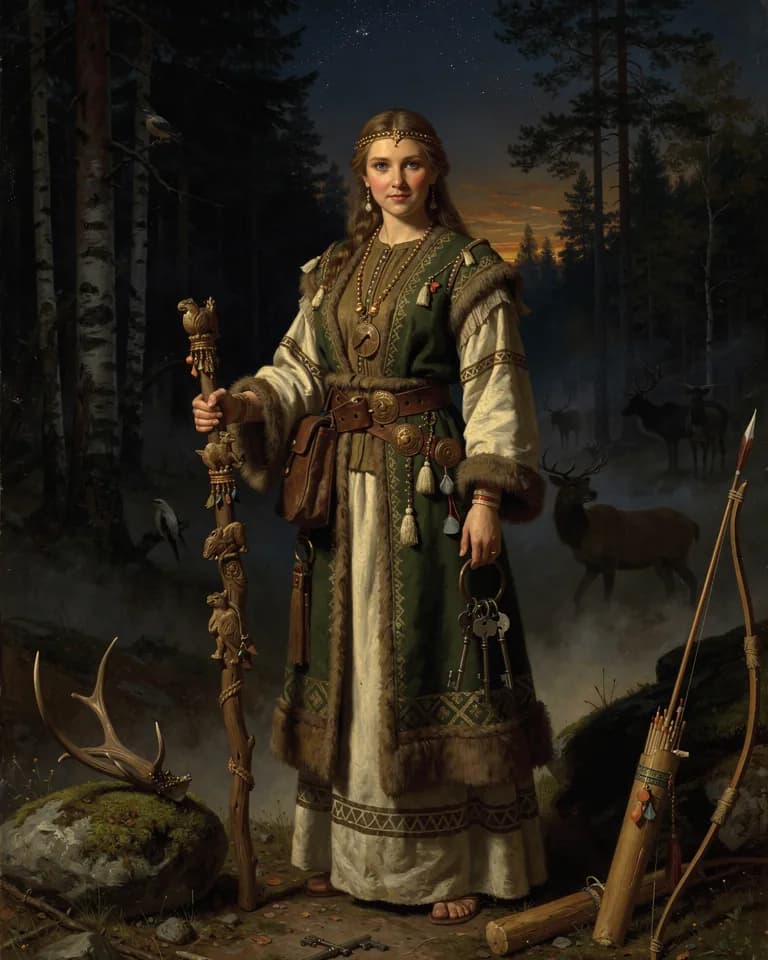 Mielikkithe forest, the hunt
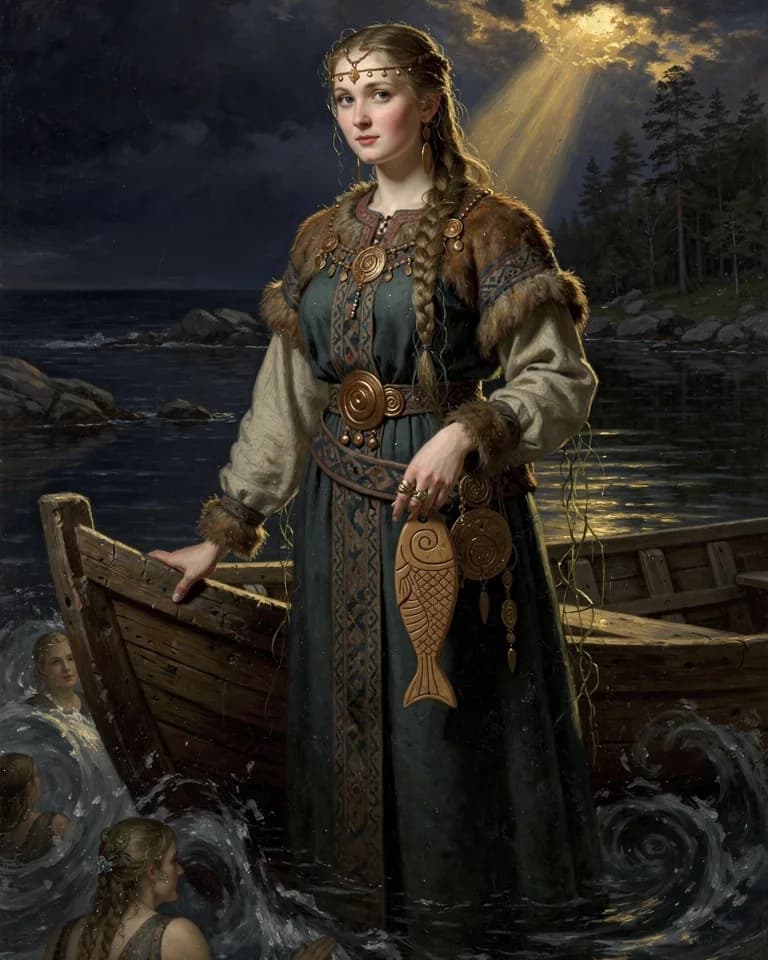 Vellamothe waters, the sea
6 retold
Stories and myths
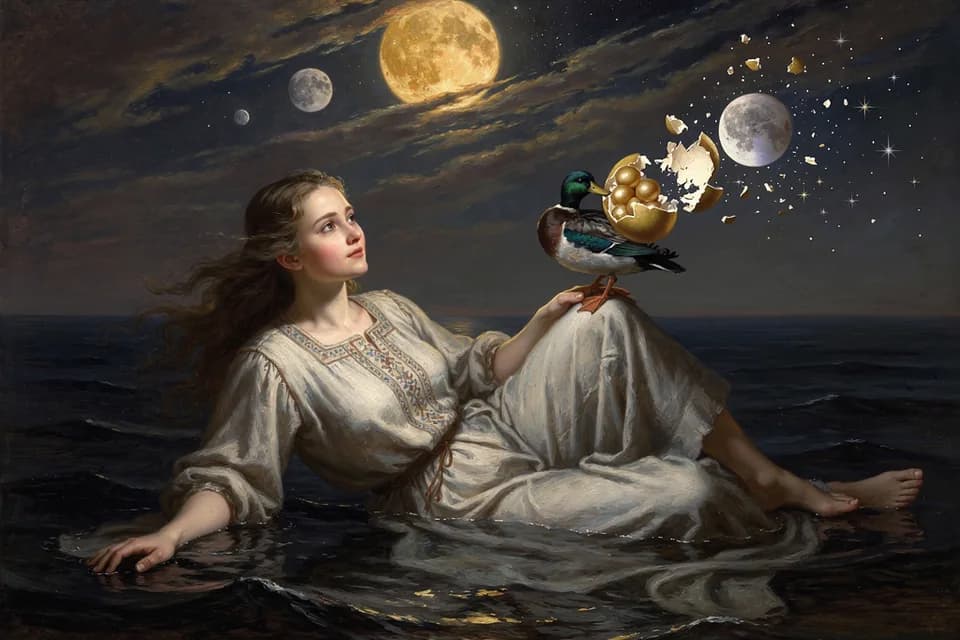 Ilmatar and the World EggcreationThe air-maiden drifts for centuries on the primeval sea until a duck nests on her knee; when the eggs break, their pieces become earth, sky, sun, moon, stars, and clouds, and at last the aged singer Väinämöinen is born.
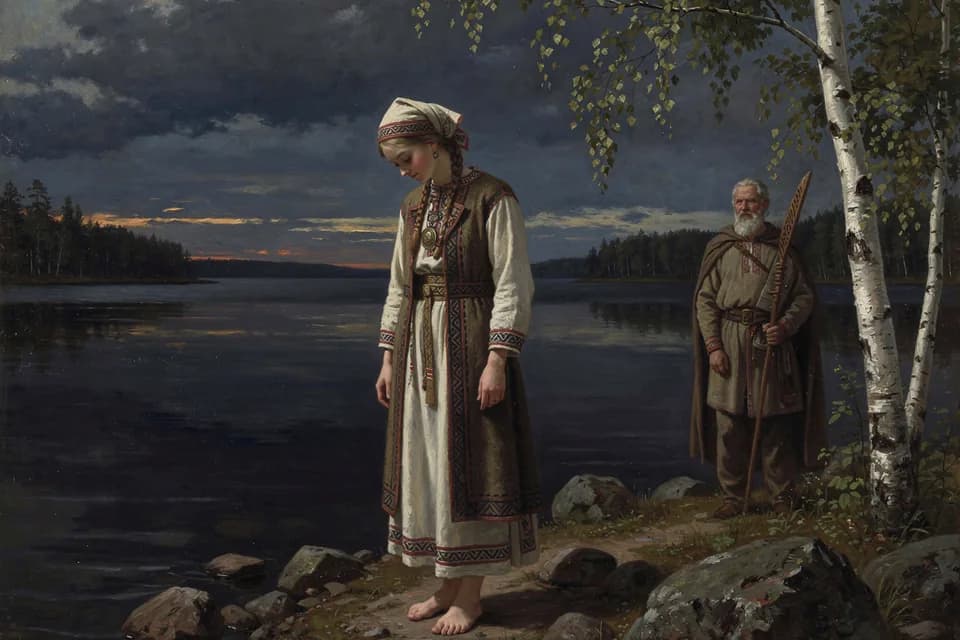 AinotragedyDefeated in a singing duel, young Joukahainen pledges his sister Aino to old Väinämöinen; unwilling to marry him, she drowns herself in the sea, and when Väinämöinen later hooks a strange fish, it is Aino, who mocks him and slips away forever.
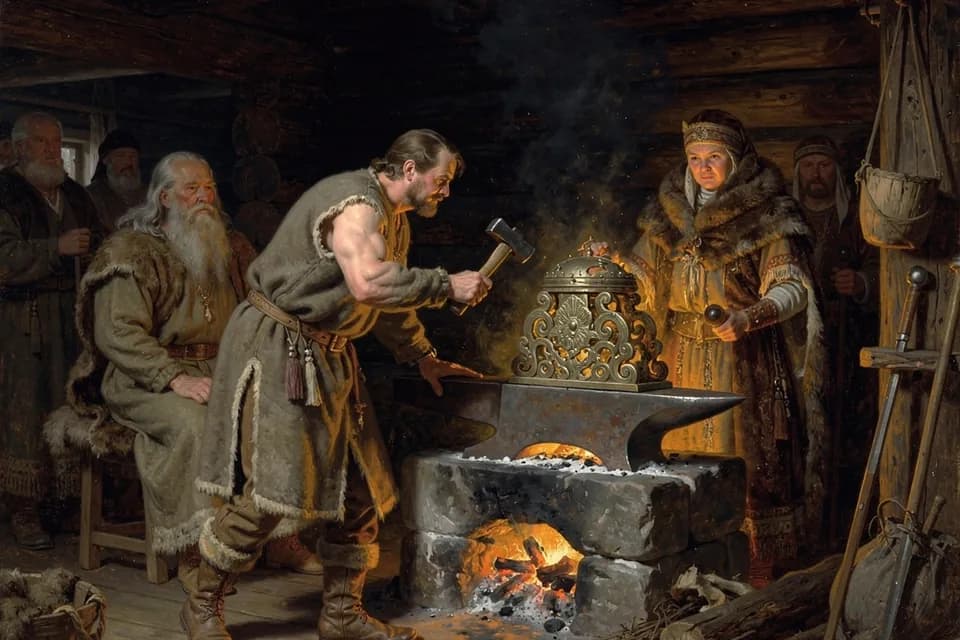 The Forging of the SampomythStranded in the North, Väinämöinen promises that his brother-smith Ilmarinen will forge the Sampo for Louhi in exchange for passage home; after four days of failed wonders, Ilmarinen forges a mill that grinds grain, salt, and money, and Louhi locks it deep in a mountain.
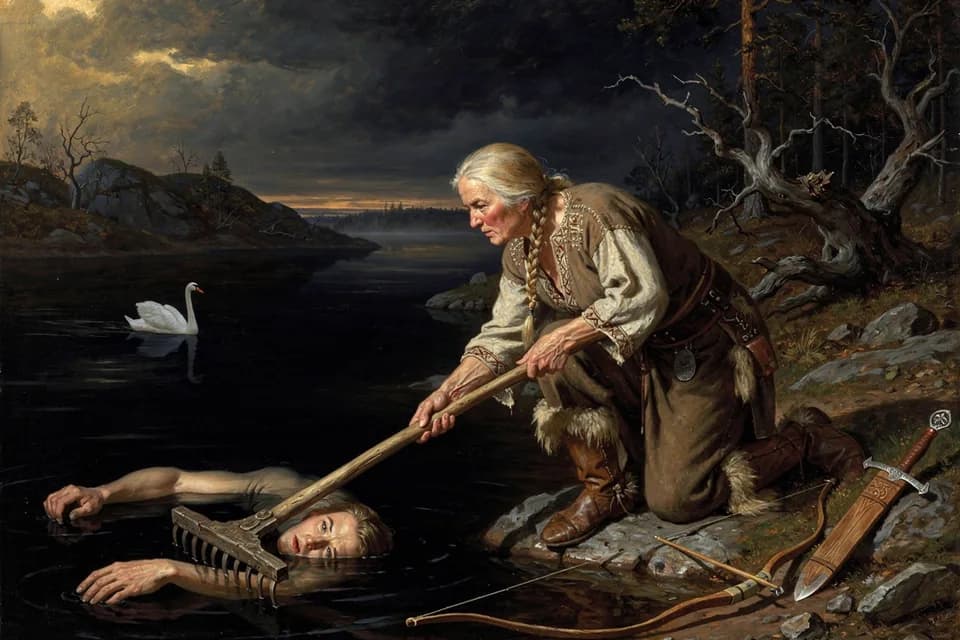 Lemminkäinen's MotherdeathSent by Louhi to shoot the swan on the black river of Tuonela, the reckless Lemminkäinen is killed and cut to pieces; his mother, warned by his bleeding hairbrush, searches the world, rakes his body from the river of the dead, and brings him back to life.
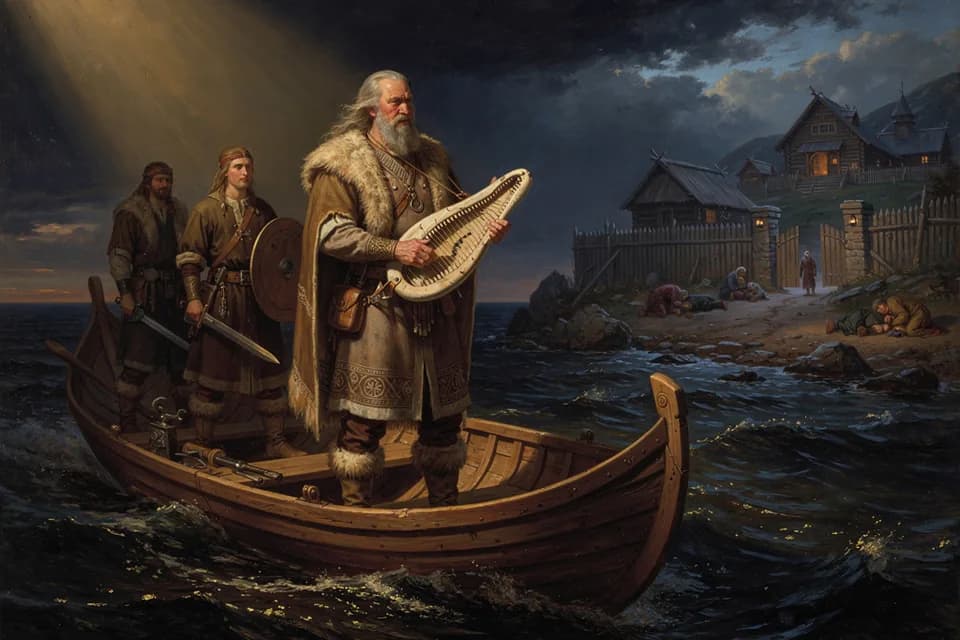 The Theft of the SampoepicVäinämöinen, Ilmarinen, and Lemminkäinen sail north to take the Sampo; on the way Väinämöinen makes the first kantele from a giant pike's jawbone, and with its music puts Pohjola to sleep; Louhi pursues them as a giant eagle, and in the battle the Sampo shatters in the sea.
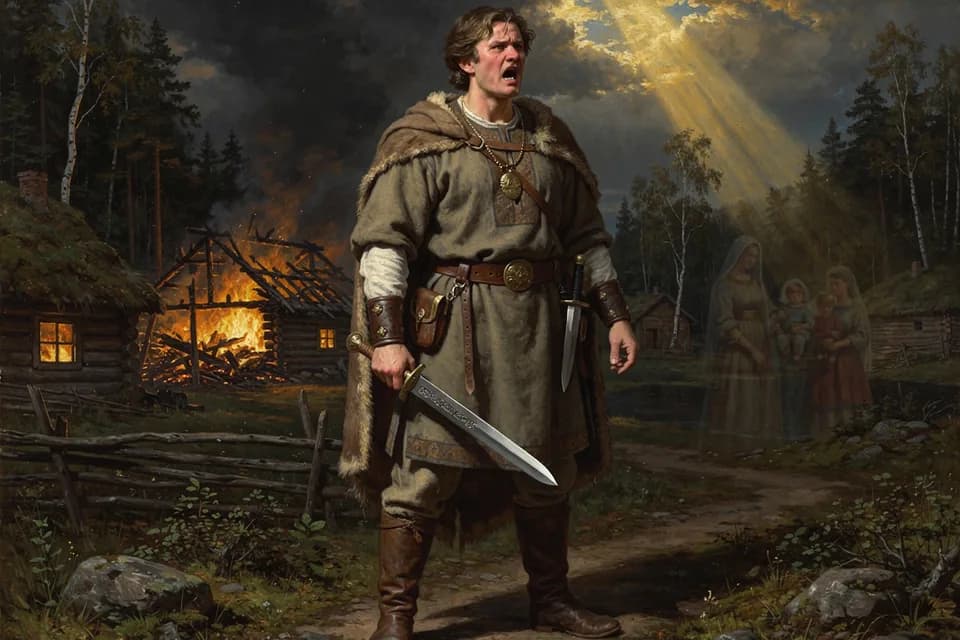 KullervotragedyBorn into slavery after his family is massacred, Kullervo is mistreated from childhood; he takes revenge on Ilmarinen's wife, unknowingly seduces his own sister, destroys the clan that wronged his family, and dies on his own sword at the place of his sin.
5 in the atlas