Korean Peninsula and Manchuria
Korean Tradition
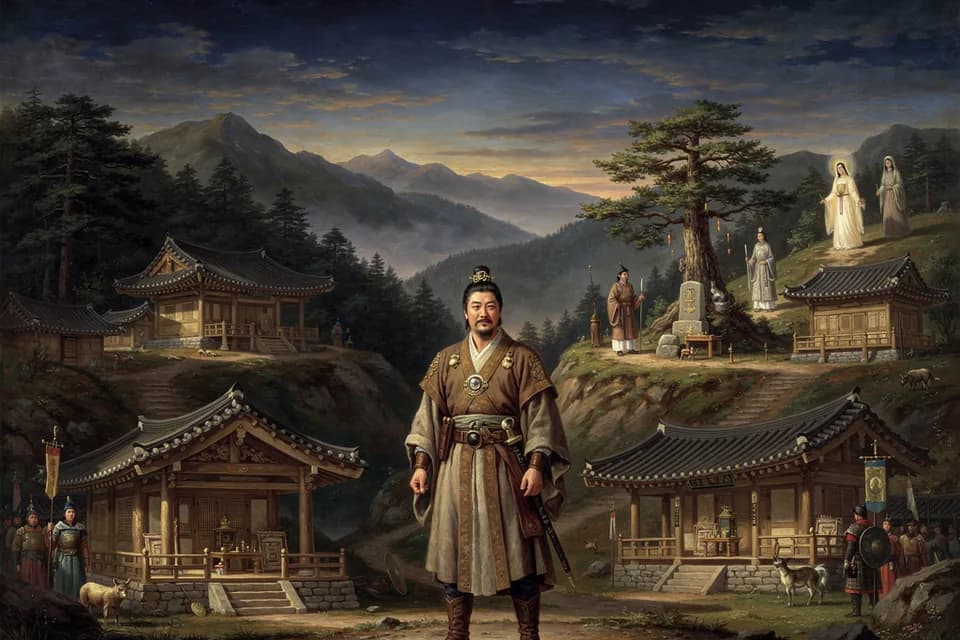
The founders and gods of Korean tradition: Dangun, born of the Lord of Heaven's son and a bear who became a woman; the egg-born kings Jumong and Bak Hyeokgeose; and the goddesses and creators of shamanic song, such as Princess Bari, guide of the dead, and Mireuk, who separated heaven from earth.
History and context
Two bodies of myth
Korean myth reaches us through two very different channels. The first is the foundation myths of the ancient kingdoms, written in Literary Chinese by later historians and monks. The earliest datable text is the stele erected in 414 CE for King Gwanggaeto of Goguryeo, whose opening lines tell of the founder Chumo (Jumong), son of the Heavenly Emperor and the River Earl's daughter, breaking out of an egg. Kim Busik's official Samguk Sagi (1145) gives full accounts of the founders of Silla, Goguryeo, and Baekje, and the monk Iryeon's Samguk Yusa (c. 1281-1289) preserves the earliest surviving telling of the Dangun myth, citing an older record now lost. These texts were written centuries after the events they describe, by scholars with Confucian or Buddhist commitments, and their dates for legendary kings are traditional rather than historical.
The second channel is muga, the narrative songs of Korean shamans (mudang), performed in rituals (gut) and transmitted orally until folklorists began recording them in the twentieth century. They include creation songs in which the deities Mireuk and Seokga contend for the world, and the long narrative of Princess Bari, the abandoned daughter who becomes the guide of the dead. Each song exists in many regional versions; on Jeju Island a distinct body of shamanic myths (bonpuri) survives.
Heaven, founders, and descent
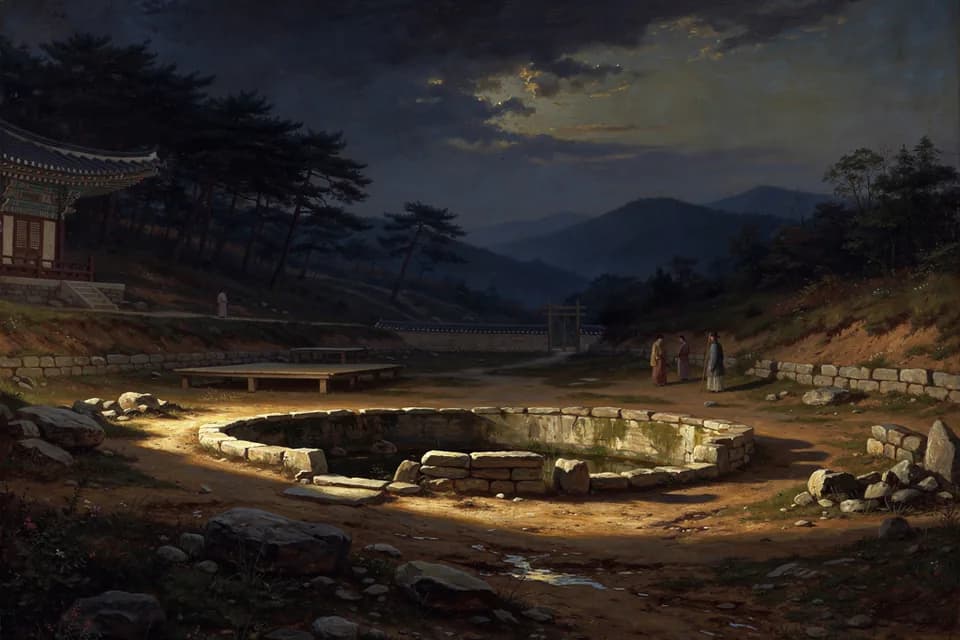
A recurring pattern links the foundation myths: a heavenly figure descends to a mountain or river, unites with an earthly woman associated with animals, water, or the land, and their child founds a kingdom. Hwanung descends to Mount Taebaek and marries the bear-woman Ungnyeo; Haemosu, son of Heaven, unites with Yuhwa, daughter of the River Earl; Silla's founder emerges from an egg beside a well, heralded by a white horse from the sky. Egg births and heavenly descent tie royal legitimacy to heaven.
Buddhist names, shamanic gods
The creator figures of the shamanic songs, Mireuk and Seokga, bear the Korean names of the Buddhas Maitreya and Shakyamuni, but in the songs they are rival creator gods whose contest explains why the world is imperfect; they are not Buddhist doctrine. Iryeon, a Buddhist monk, likewise glosses the Lord of Heaven Hwanin as Jeseok, the Buddhist name of Indra. Such layering is typical of Korean religion, in which shamanism, Buddhism, Confucianism, and Daoist elements have long coexisted.
Living traditions
Korean shamanism remains a living practice, with mudang performing gut for healing, good fortune, and the dead. Dangun is honored on National Foundation Day (Gaecheonjeol, 3 October) in South Korea, whose traditional founding date of 2333 BCE is a calculation by later Joseon-era historians rather than a statement of the Samguk Yusa itself; in North Korea, a 'Mausoleum of Dangun' near Pyongyang, built in 1994 after the reported discovery of his bones, is regarded by most historians outside the country as a political monument rather than an archaeological fact.
Cosmology
Heaven, This World, and That World
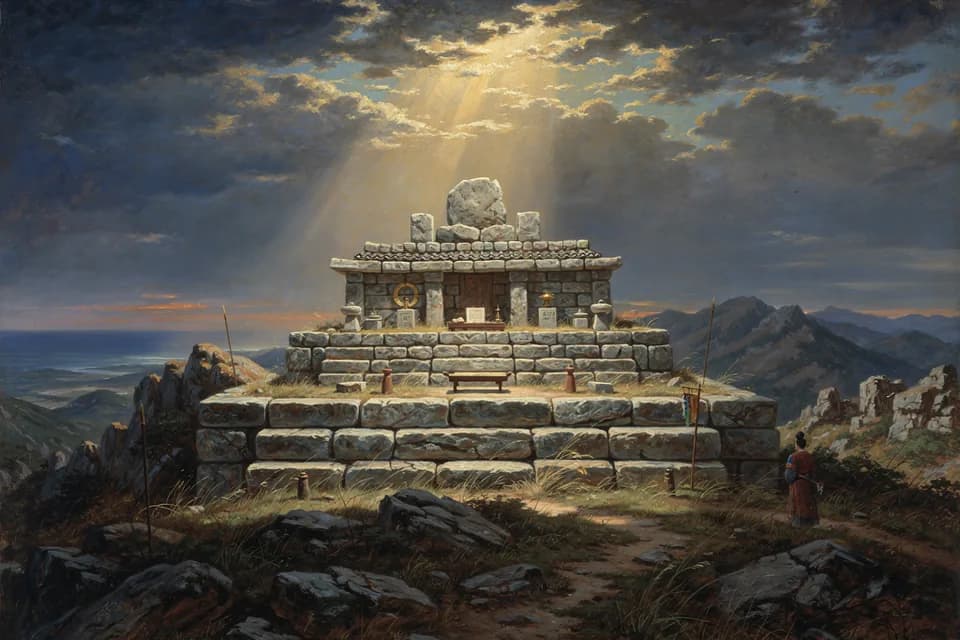
Heaven above, from which the Lord of Heaven's son and the founders of kingdoms descend to sacred mountains and rivers; this world (iseung) of mountains, founders, and guardian beasts; the dragon palaces of the waters; and that world (jeoseung), the road of the dead to which Princess Bari is guide.
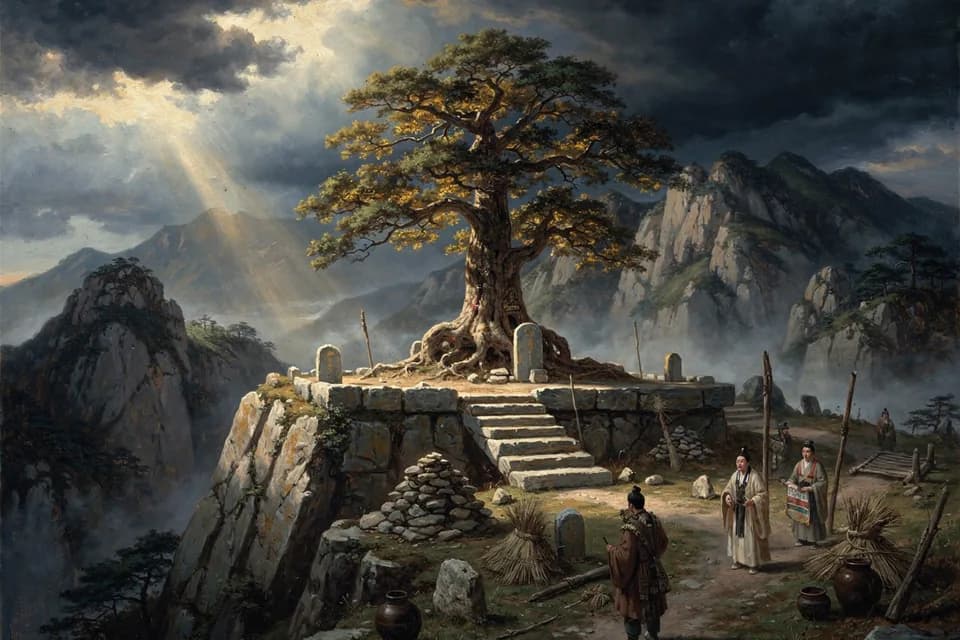
The Sacred Altar Tree on Mount Taebaek (Sindansu): · In the Dangun myth Hwanung descends to the summit of Mount Taebaek beneath the sacred altar tree, and the bear-woman prays beneath it for a child. Sacred mountains and village guardian trees remain meeting points of heaven and earth in Korean folk religion.
Haneul: Heaven
AboveIseung: This World
MiddleSacred Mountains and Kingdoms이승
The world of the living, where heaven touches earth on sacred mountains and founders are born beside wells and rivers; Mireuk made it and Seokga rules it.
Visit Mount Myohyang (Taebaek of the Dangun myth)
The Waters and the Dragon Palace
WatersRiver Palaces and the Dragon Palace용궁
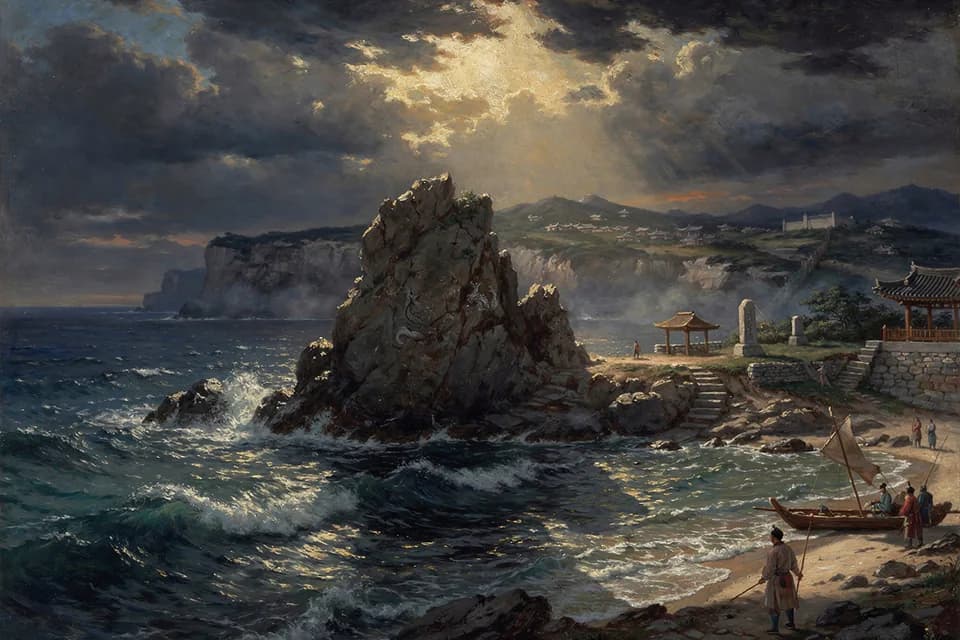
The palace of the River Earl beneath the waters, and the dragon palace of the sea, where Silla's King Munmu watches over the coast as a dragon.
Visit Daewangam
Jeoseung: That World
BelowThe Road of the Dead저승
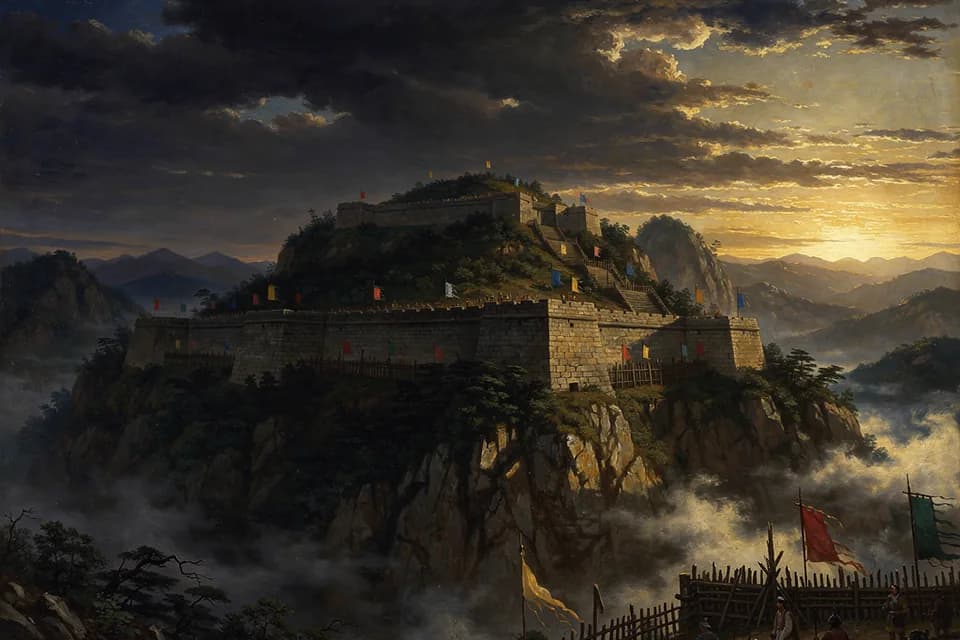
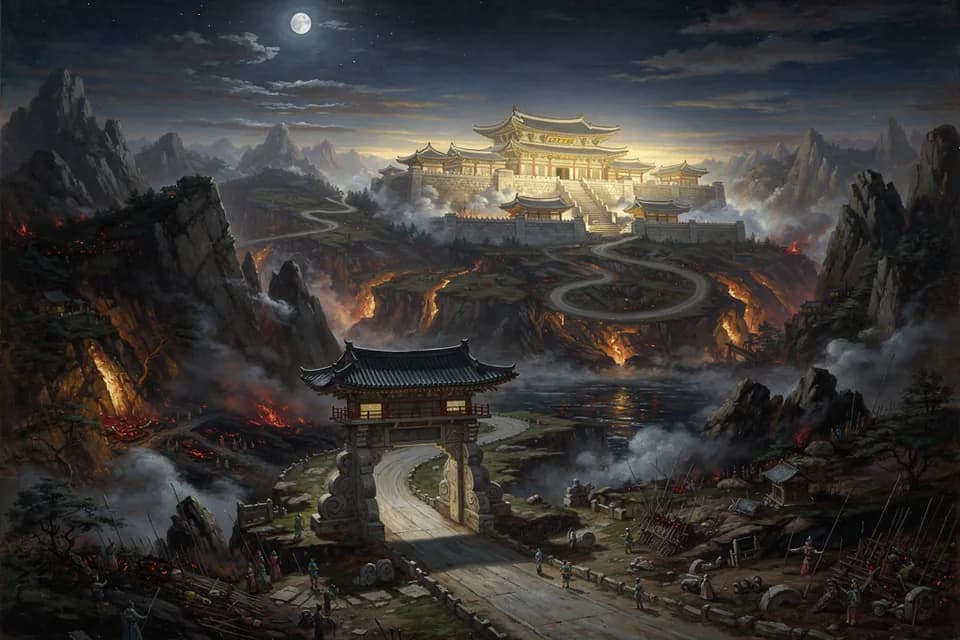
The other world, reached by a long road through rivers, mountains, and the courts of judgment, beyond which lies the Western Heaven where Bari found the water of life.
Visit Jeoseung
 Hwanin
 Haemosu
 Samjok-o
 Hwanung
 Ungnyeo
 Dangun
 Jumong
 Bak Hyeokgeose
 Mireuk
 Seokga
 Haetae
 Habaek
 Yuhwa
Yuhwa Sea Dragon of King Munmu
 Bari Gongju
Sources
Works cited
Samguk Yusa
Iryeon; trans. Ha Tae-hung and Grafton K. Mintz
Samguk Sagi
Kim Busik
Gwanggaeto Stele inscription
Goguryeo court
Dongmyeongwang-pyeon
Yi Gyu-bo
Joseon Singa Yupyeon
Son Jin-tae
Hanguk Muga Jip
Kim Tae-gon
About this guide
By Elizabeth Stein for Mythos Atlas. About the author. Editorial notes are grounded in the site's cited sources and can be challenged through the contact page.
The catalog period is the span of the sources this atlas draws on, not the age of the tradition itself. Many traditions are older than their first written record, and many are still practised.
12 in the atlas
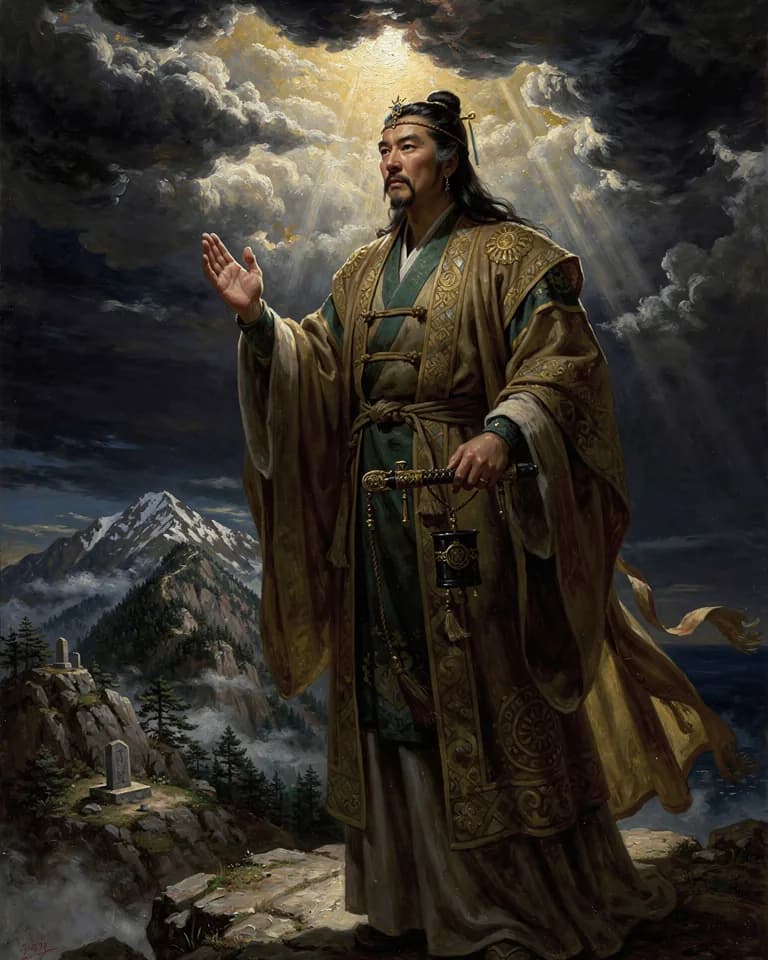
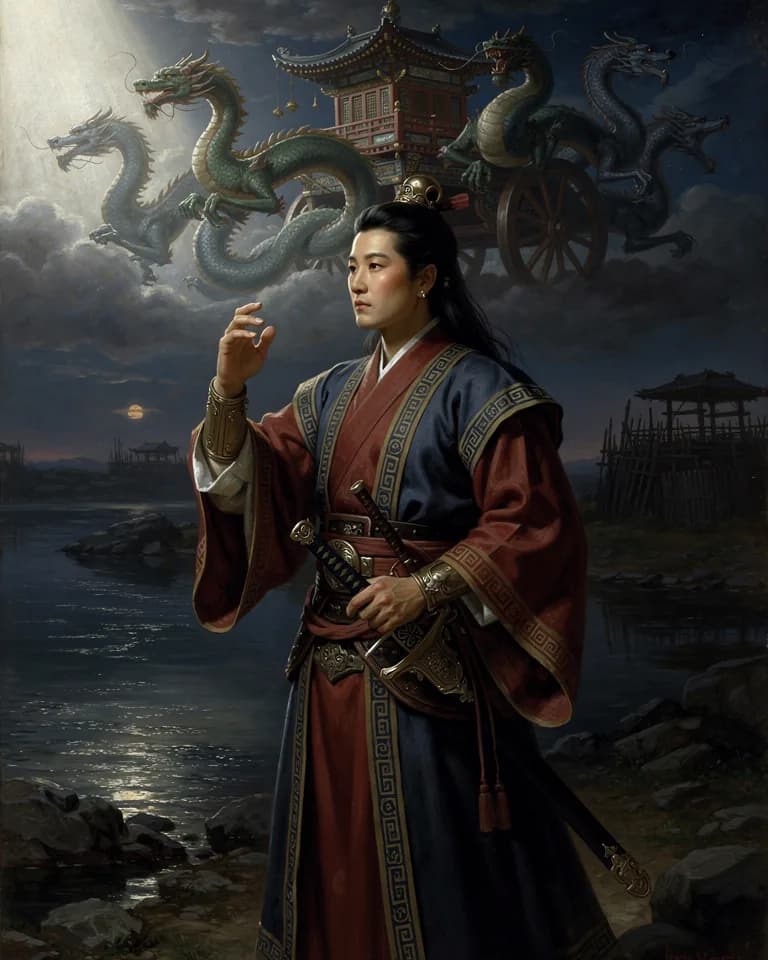
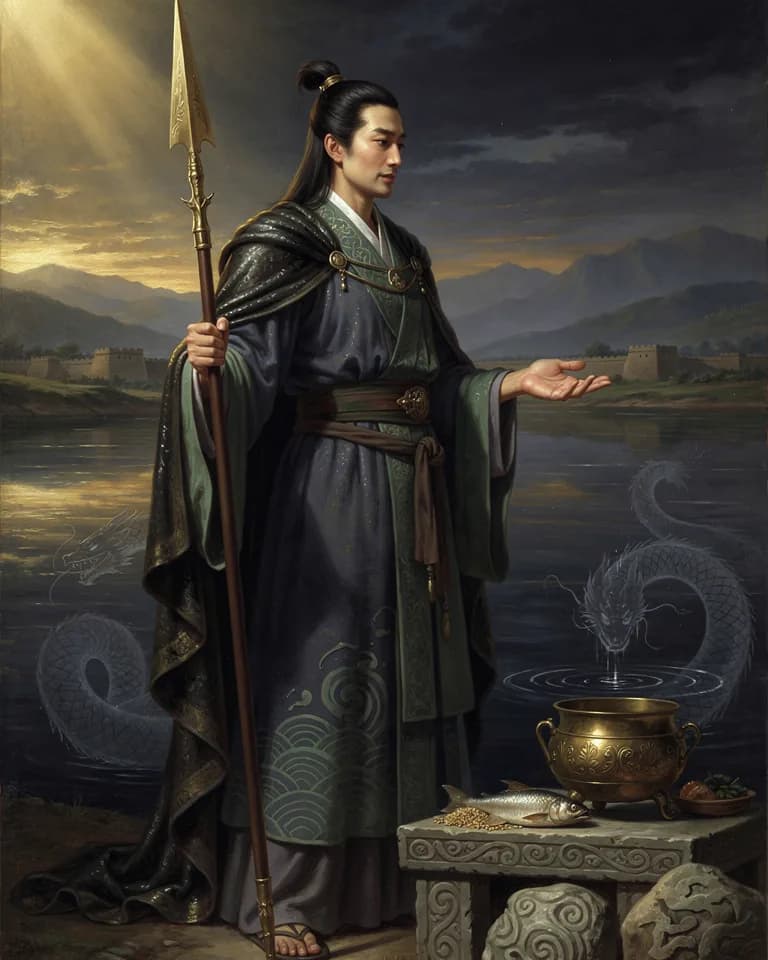
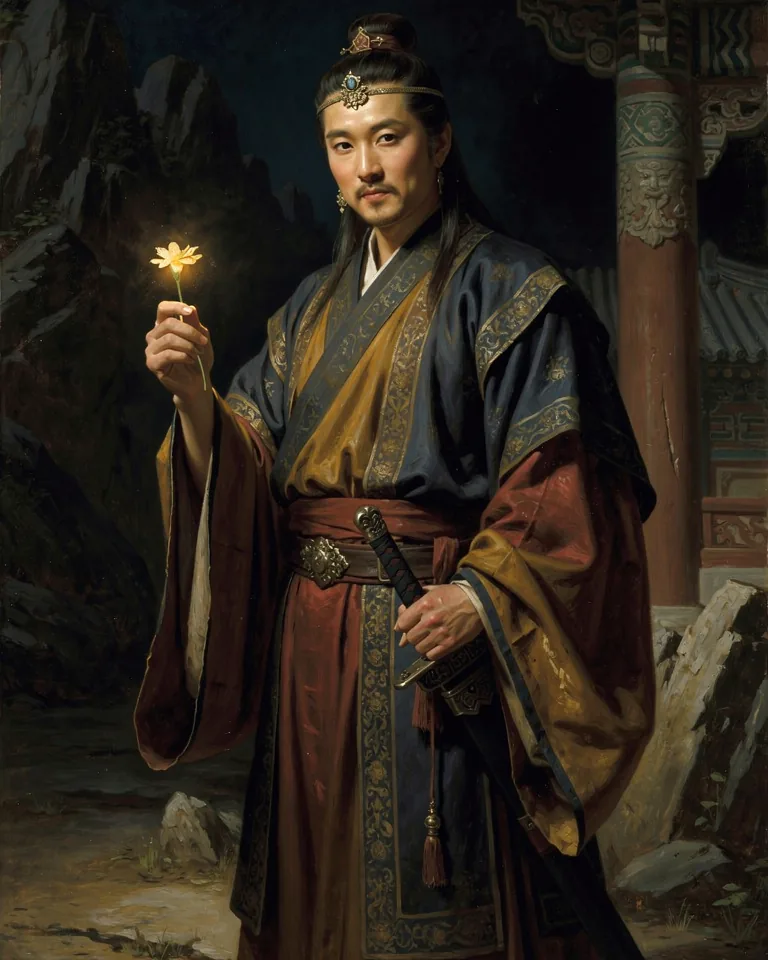
Gods, Founders & Shamanic Deities
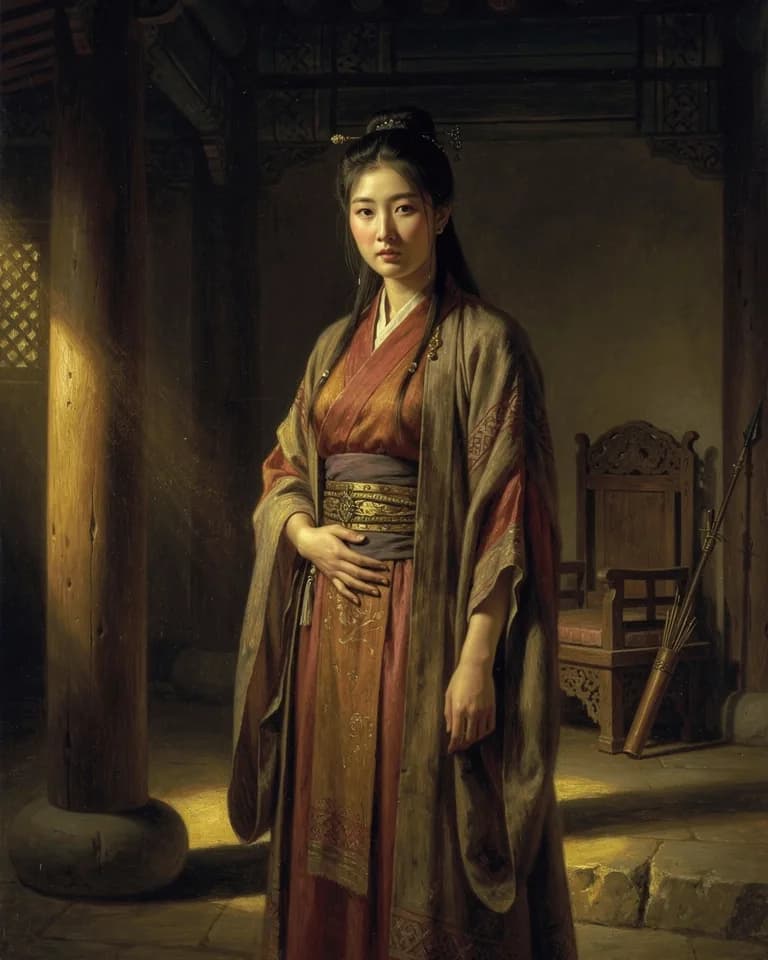
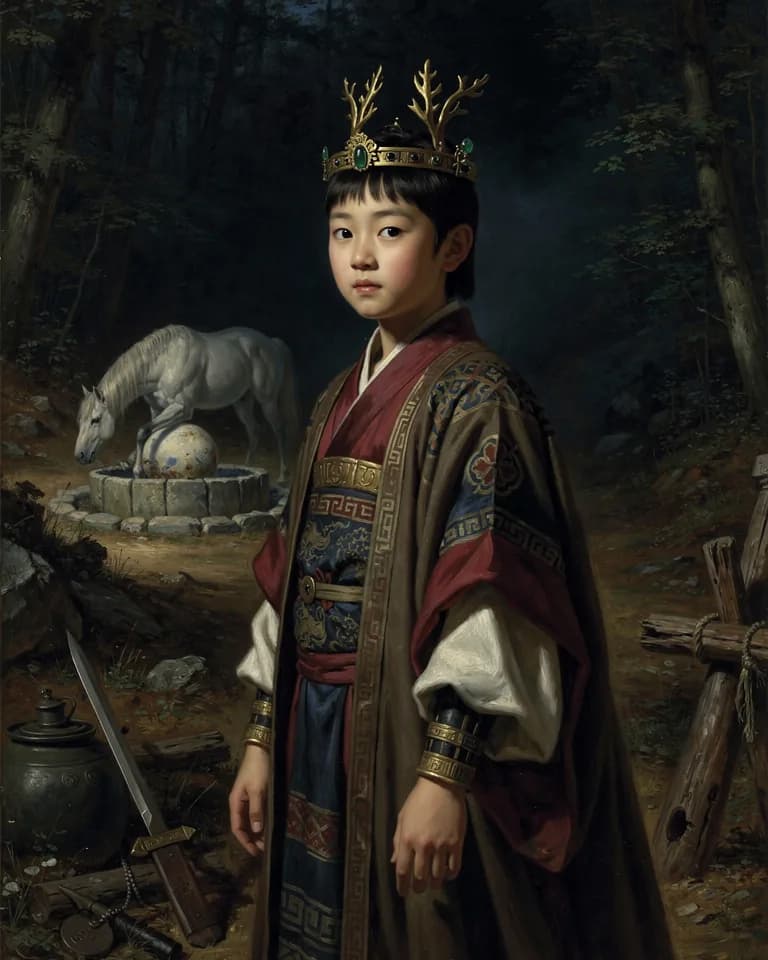
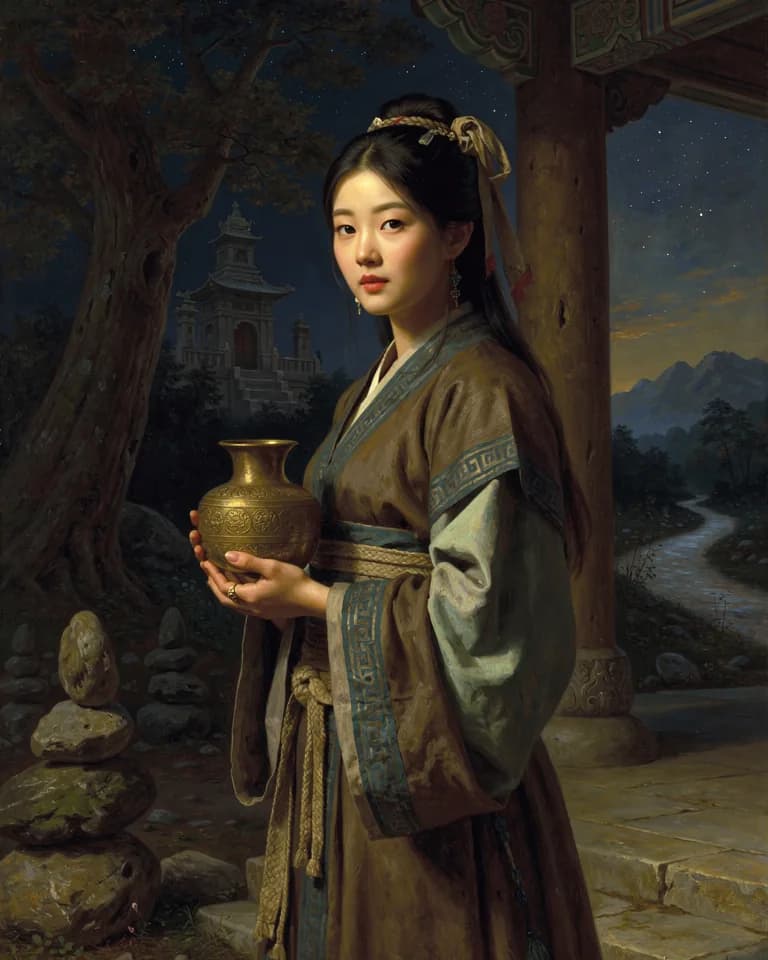
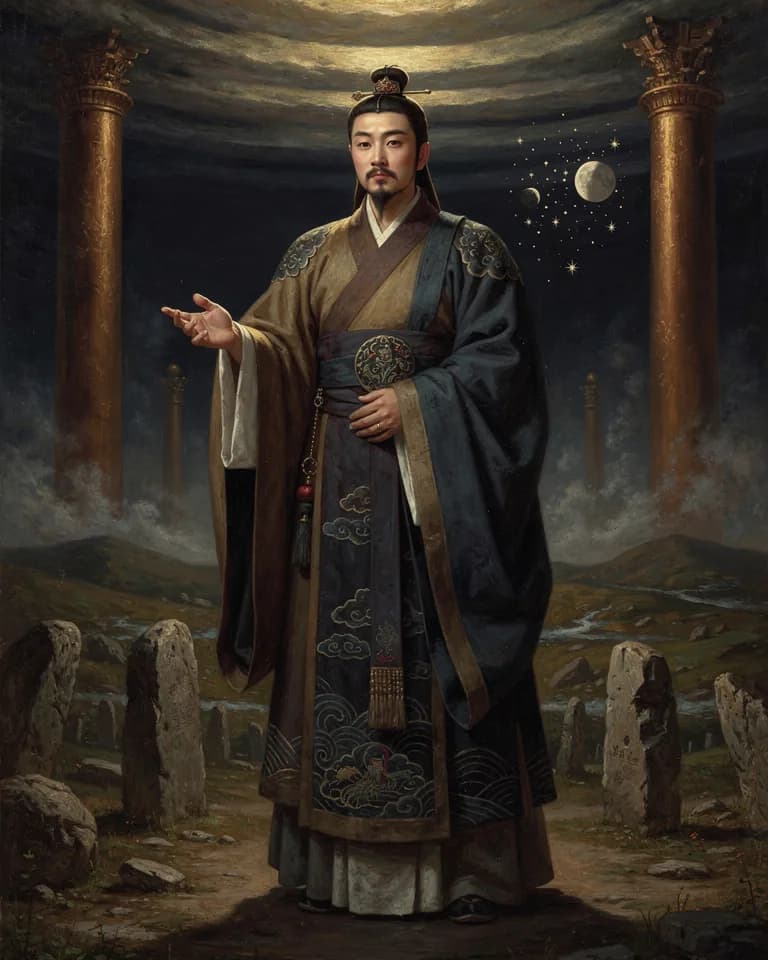
6 retold
Stories and myths
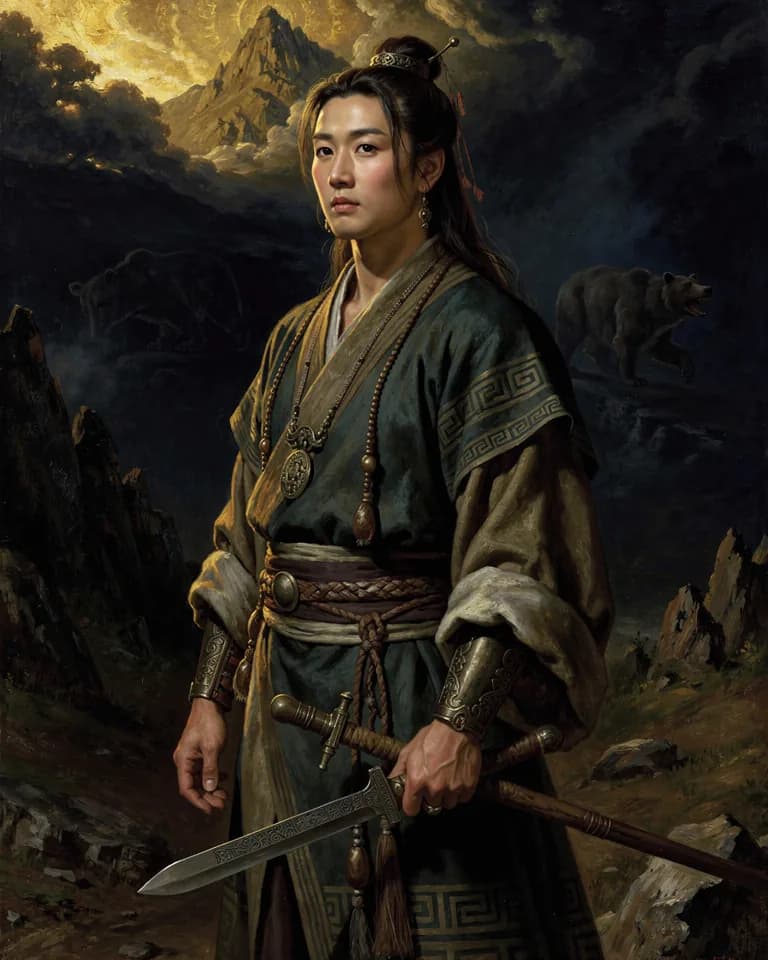
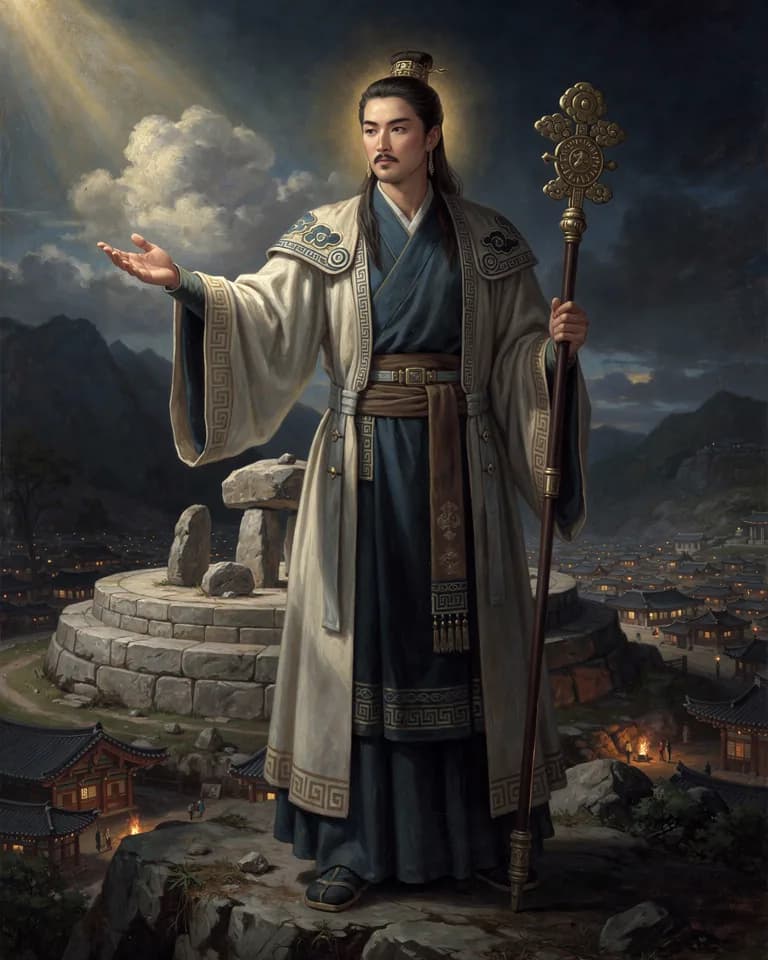
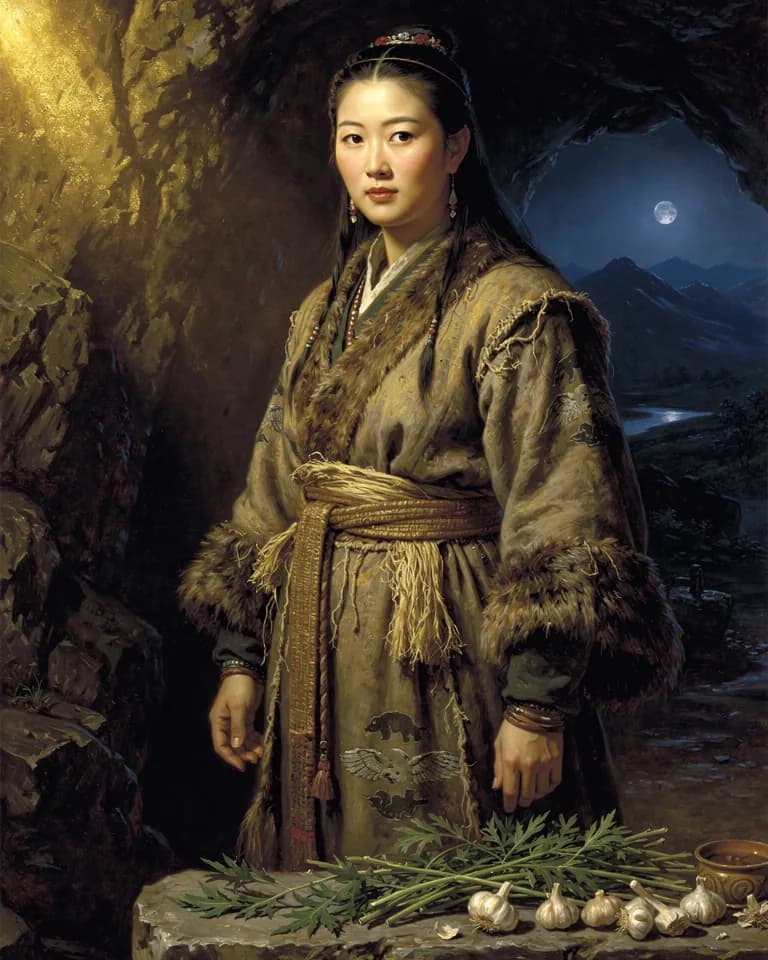
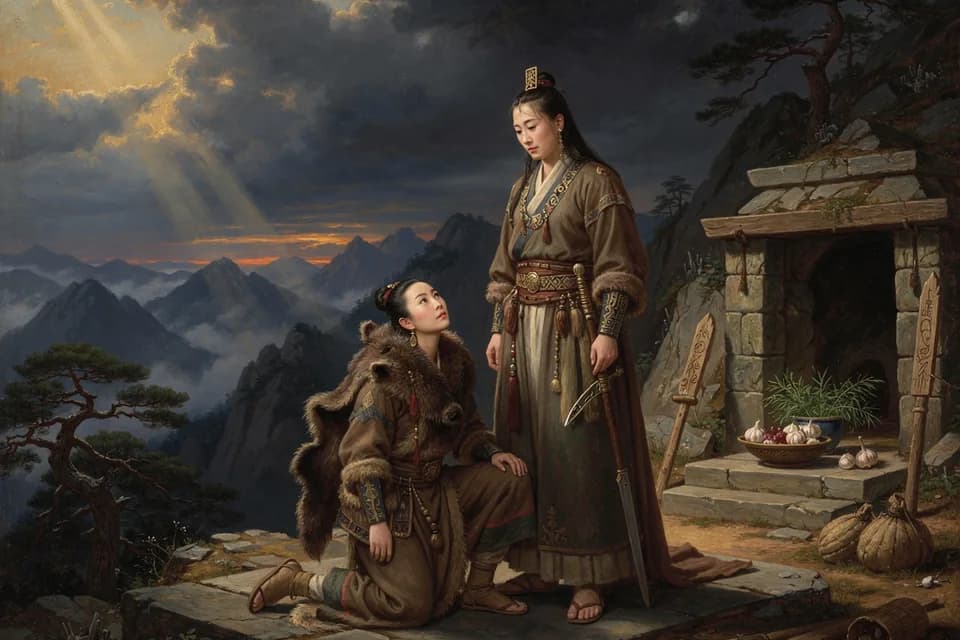 Dangun and the Bear WomanoriginThe son of the Lord of Heaven descends to Mount Taebaek to rule the human world; a bear who endures twenty-one days of darkness on mugwort and garlic becomes a woman, marries him, and bears Dangun, founder of the first Korean kingdom.
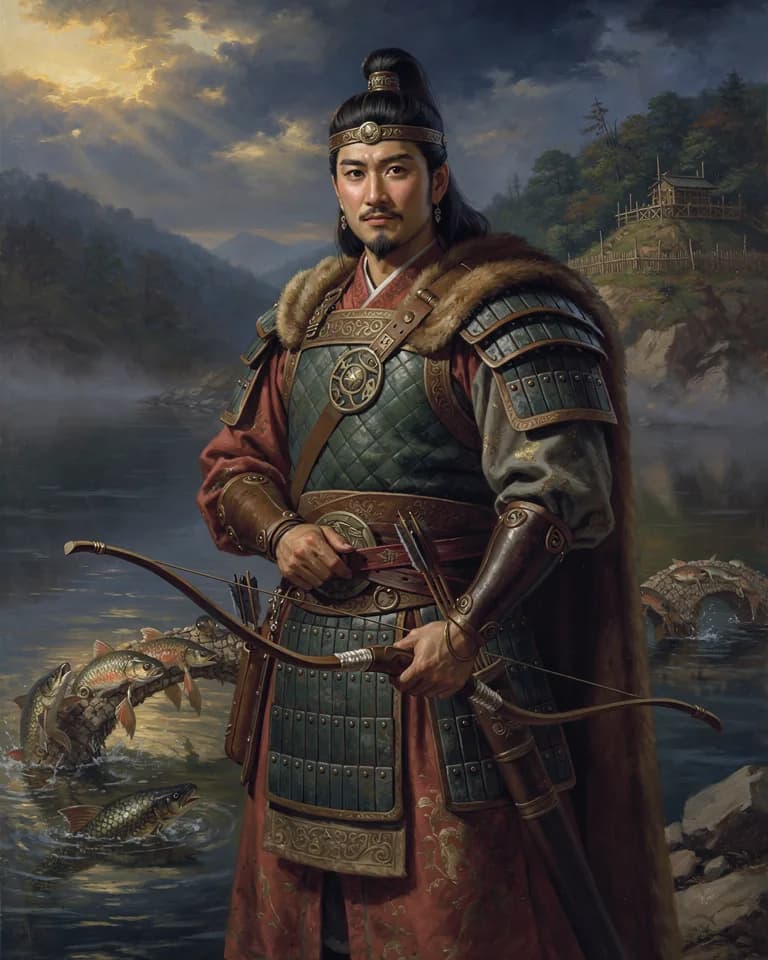
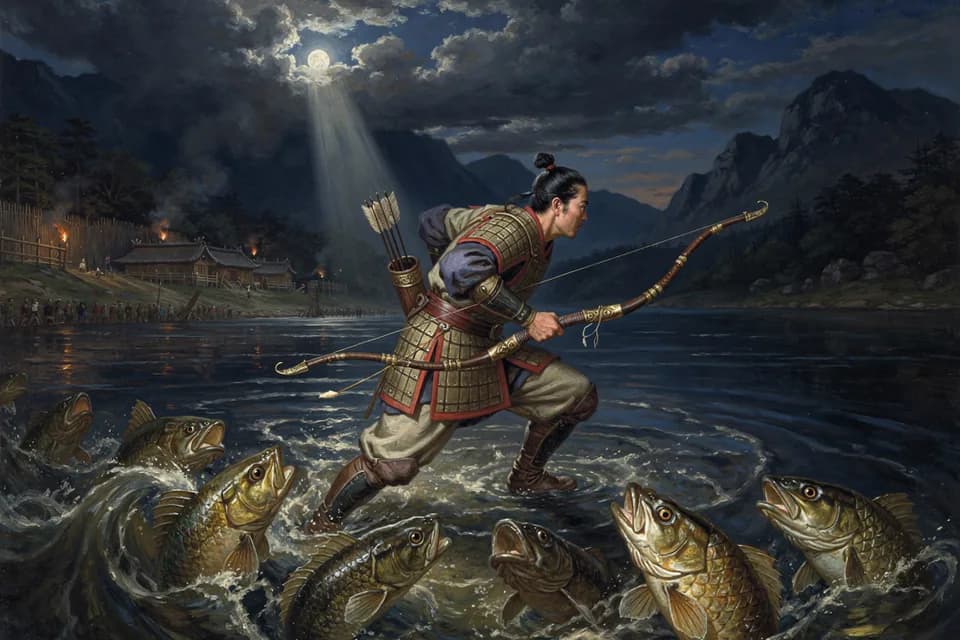 Jumong, Son of Heaven and the RiveroriginBorn from an egg laid by the River Earl's daughter, Jumong grows into a matchless archer at the court of East Buyeo; fleeing the jealous princes, he is saved when fish and turtles rise to bridge a river, and he founds the kingdom of Goguryeo.
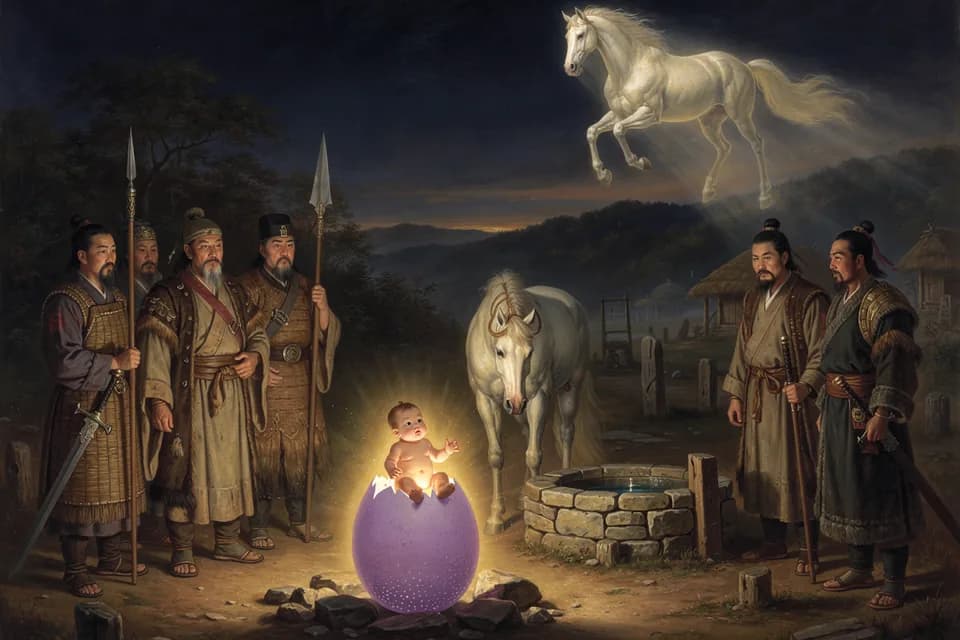 Bak Hyeokgeose and the Egg at NajeonglegendThe six village chiefs of the Gyeongju plain, seeking a king, see a white horse kneeling at the Najeong well beside a purple egg; the horse rises into heaven, and from the egg comes the radiant boy who will found Silla, crowned at thirteen with a queen born from a dragon.
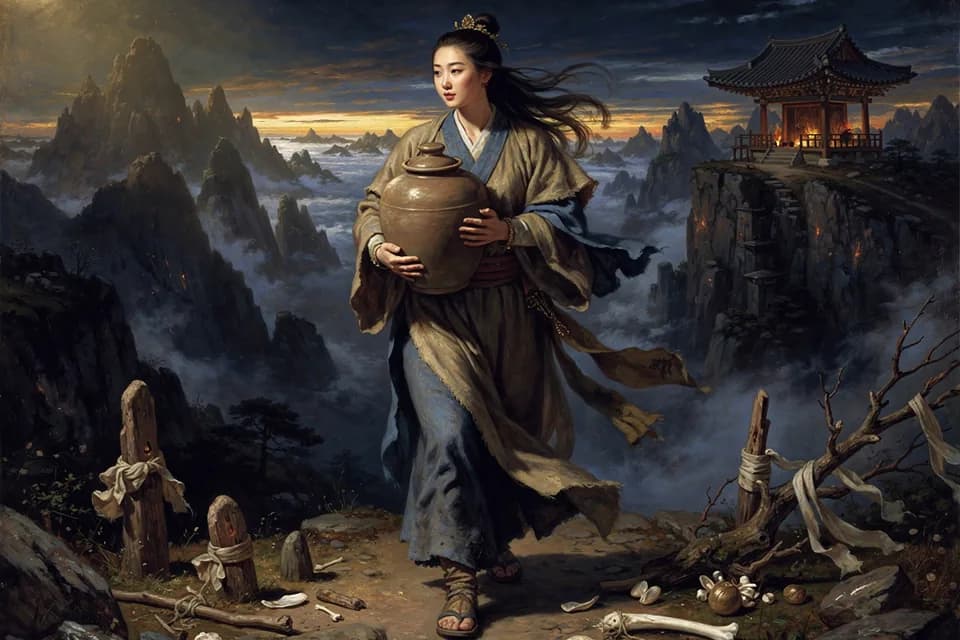 Princess BariquestCast away at birth for being a seventh daughter, Princess Bari is the only child willing to journey to the Western Heaven for the water that can save her dying parents; after years of labor and hardship she returns in time to revive them, and becomes the goddess who guides the dead.
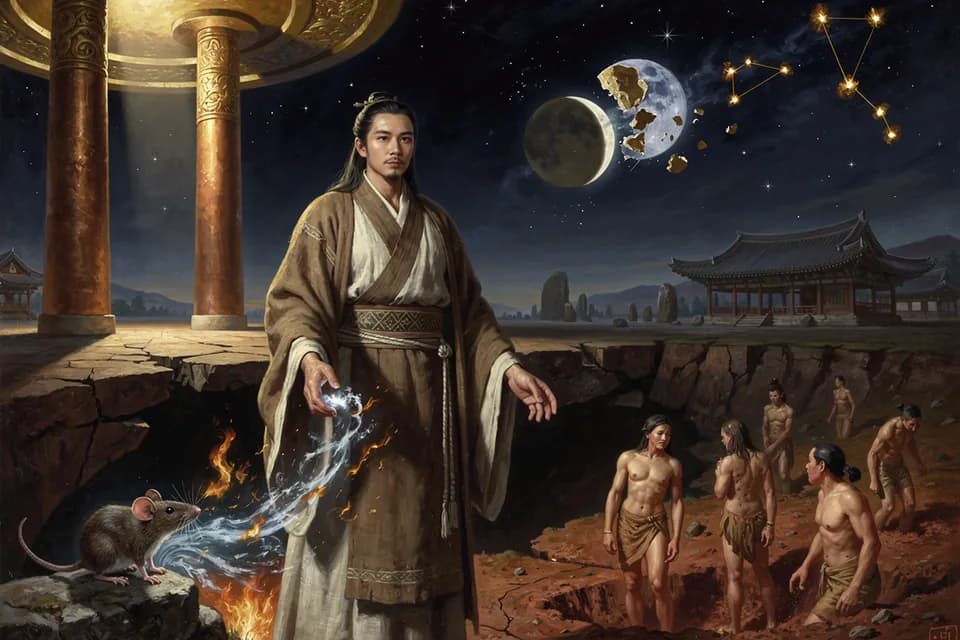 Mireuk and Seokga: The Song of CreationcreationMireuk separates heaven and earth, props the sky with copper pillars, makes stars from an extra sun and moon, learns the secrets of fire and water from a mouse, and creates people; but the rival Seokga wins the world by stealing the flower that bloomed on Mireuk's knee, and so the present age is full of wrongs.
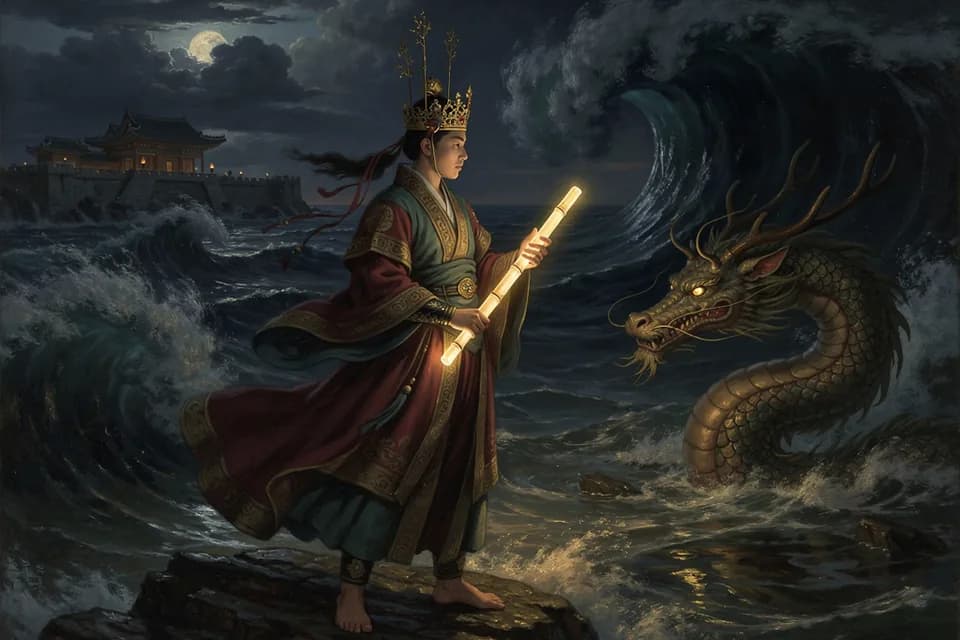 Manpasikjeok: The Flute That Calms Ten Thousand WaveslegendKing Munmu of Silla asks to be buried in the East Sea so he can become a dragon and guard the kingdom; his son receives from a sea dragon a bamboo that is two by day and one by night, and makes from it a flute that drives off enemies, heals the sick, brings rain, and stills the waves.
6 in the atlas